
Fantastic NEW Colour Trends for 2025

Paint the Town (Your Home!) in 2025: Unveiling the Hottest Colour Trends

Hello my Design Friends ! 2025 is just around the corner, and with it comes a fresh wave of exciting colour trends poised to transform our living spaces. Forget the beige – this year is all about bold statements, calming neutrals with a twist, and unexpected pops of vibrancy. Let’s dive into the shades that will be dominating home décor in 2025.

1. Earthy Elegance: The Continued Reign of Nature-Inspired Hues

While not entirely new, earthy tones continue their reign supreme. But forget dusty roses and muted browns. 2025 brings a sophisticated evolution:

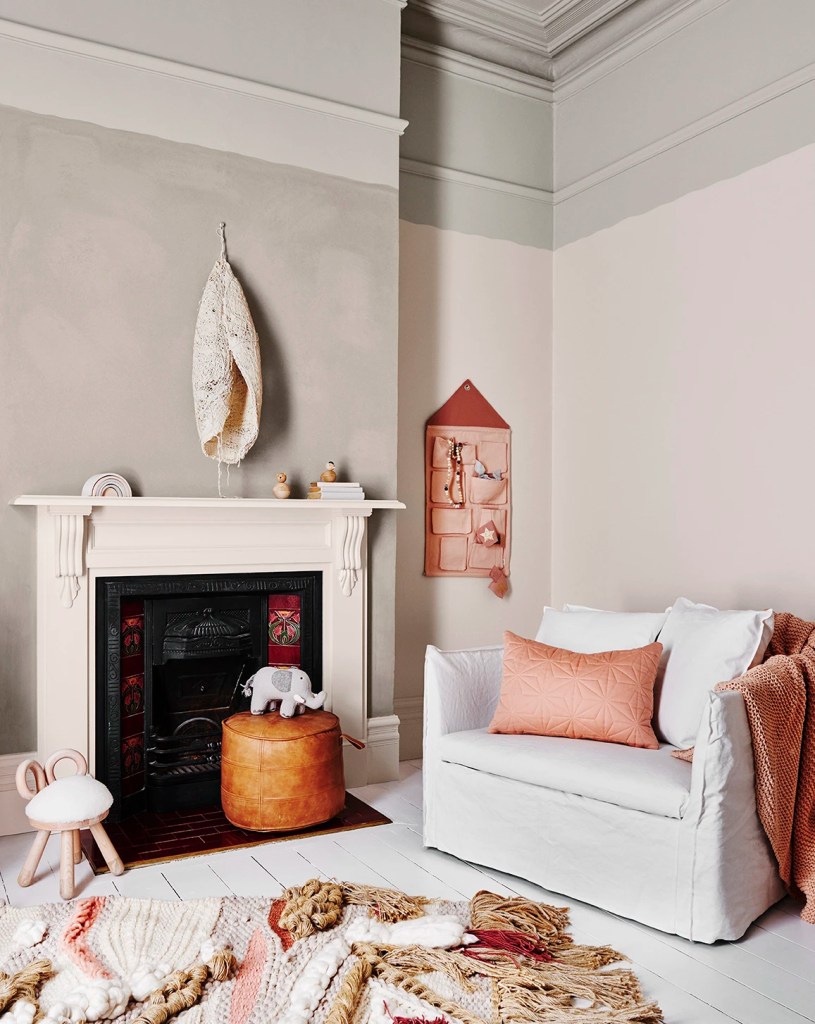
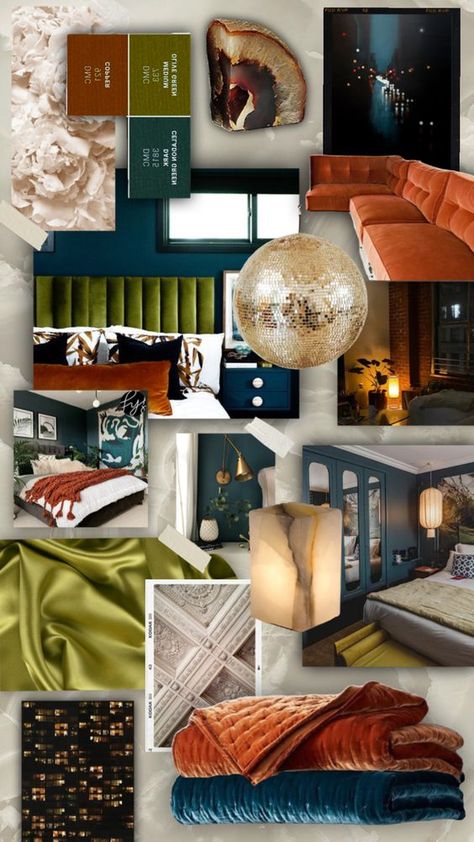
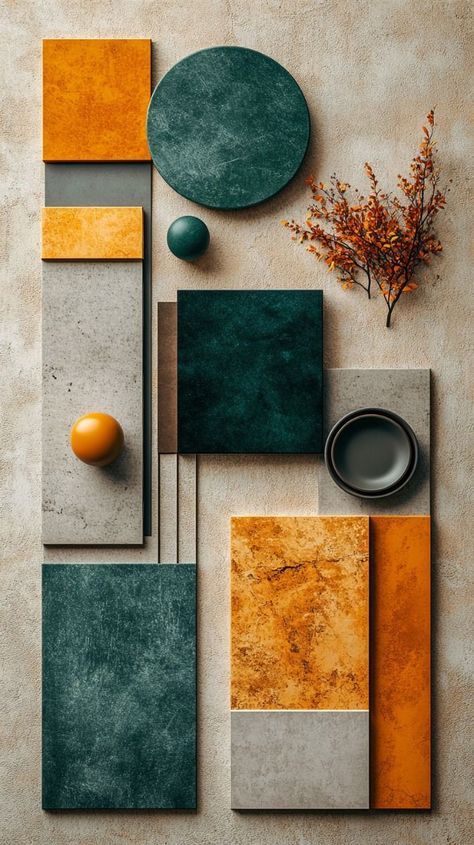
  • Terracotta Revival: A richer, more saturated terracotta is making a comeback, offering a warm and inviting ambiance. Think terracotta accents on furniture, statement walls, or even in textured ceramics.
    Source Pinterest
  • Deep Forest Greens: Moving beyond sage, we’re seeing deeper, jewel-toned greens that exude luxury and tranquility. Perfect for creating a sense of calm in living rooms or bedrooms.
    Source Pinterest
  • Sandy Neutrals with a Twist: Beige isn’t going anywhere, but it’s getting an upgrade. Look for sandy beige with subtle hints of rose, grey, or even ochre for added depth and personality.
    Source Pinterest
2. Bold and Bright: Stepping Outside the Comfort Zone

For those craving drama and personality, 2025 is your year!

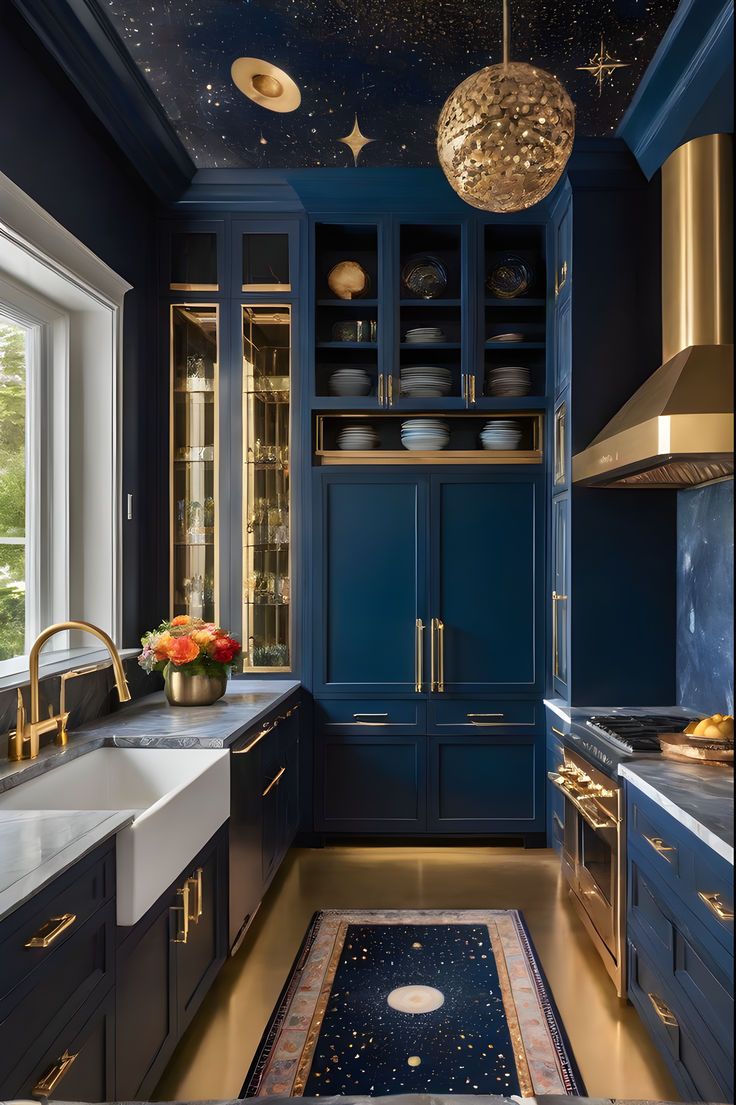
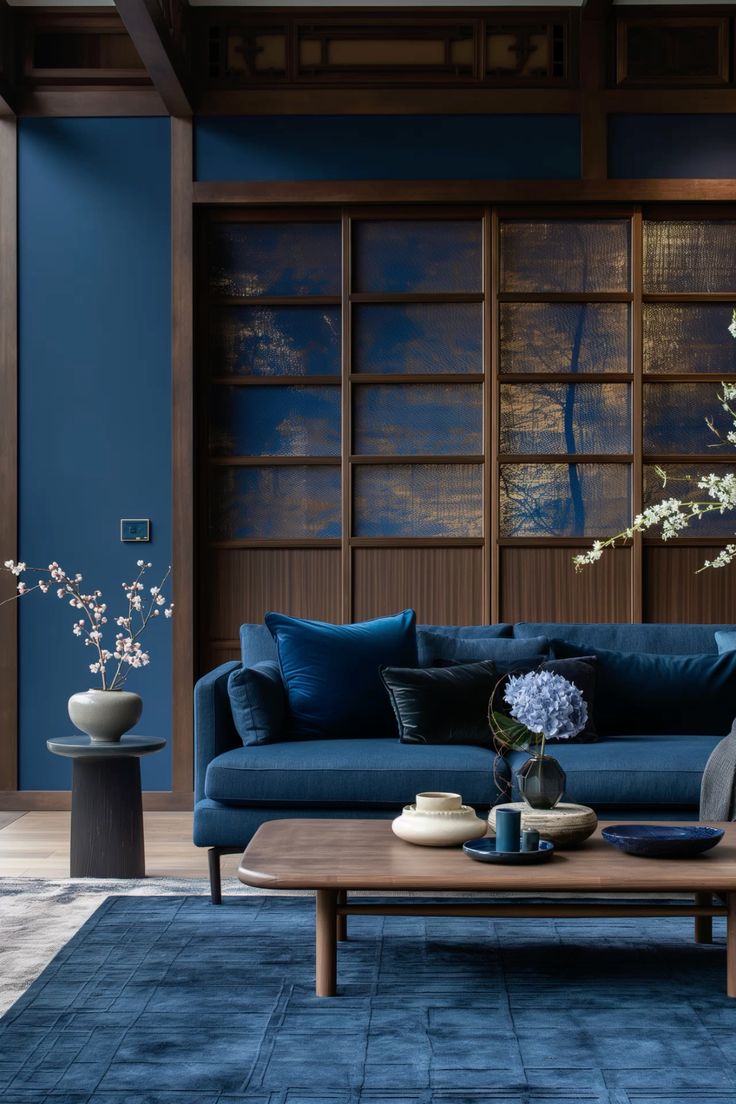
  • Vibrant Blues: Forget pastel blues – think deep indigo, sapphire, and cobalt. These intense shades add a touch of regal elegance and sophistication to any space. Use them sparingly as statement pieces or embrace them on a feature wall.
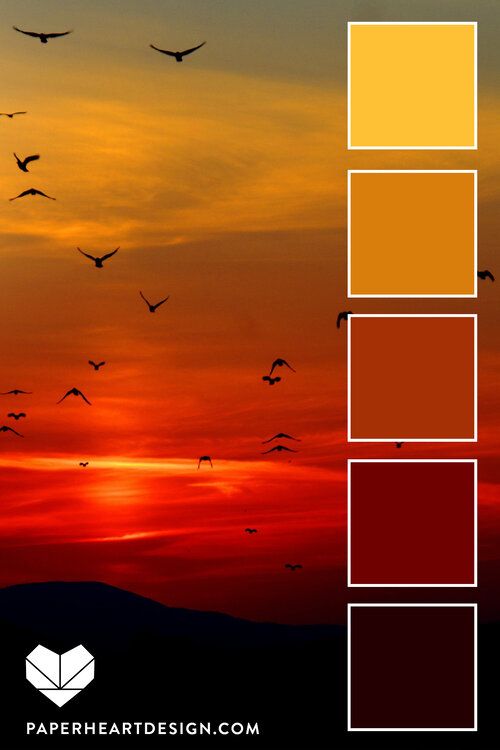
  • Sunset Hues: Warm oranges, fiery reds, and soft pinks reminiscent of a stunning sunset are bringing a playful yet sophisticated energy. These colours are perfect for creating a vibrant and inviting atmosphere in dining rooms or kitchens.
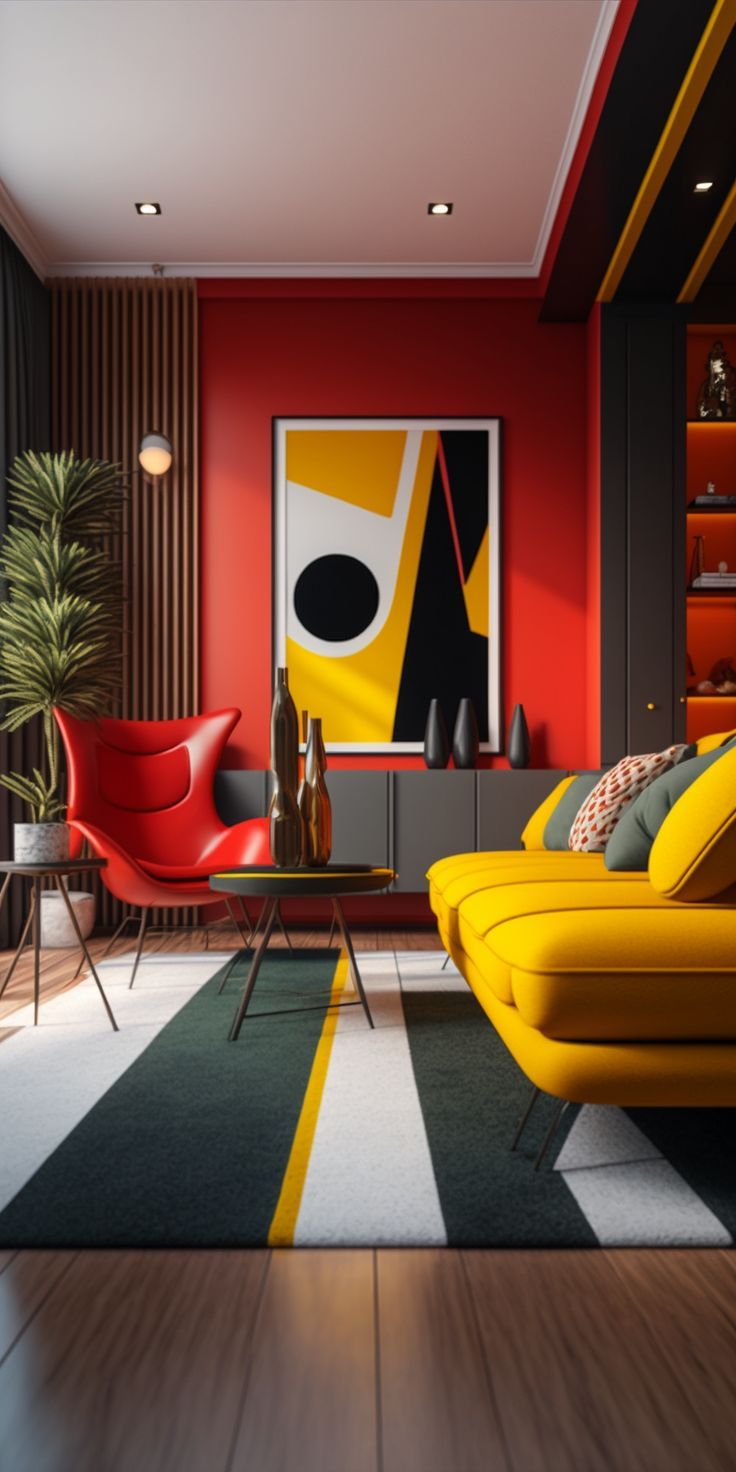
  • Unexpected Accents of Yellow: While not a dominant colour, sunny yellow pops are making a statement, adding a cheerful and optimistic vibe to otherwise neutral palettes. Think mustard yellow cushions or a sunny yellow vase.

3. The Rise of the “Muted Maximalism”

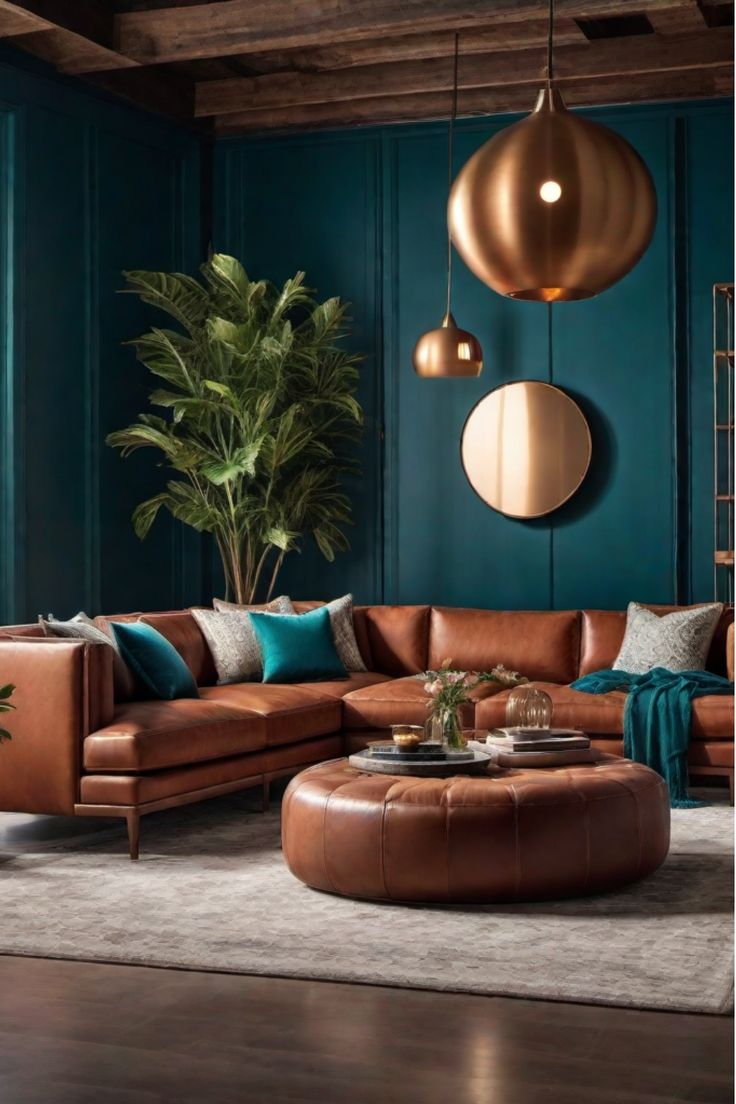
2025 sees a clever blend of maximalism and minimalism: “Muted Maximalism.” This trend embraces a rich palette of colours but keeps the intensity low, creating a harmonious and layered look. Think several shades of muted greens, blues, and browns combined with textured fabrics and natural materials.
Beyond Colour: Texture and Light

Remember, colour isn’t the only element shaping interior design trends. The interplay of light, texture, and materials is equally important. Consider incorporating natural textures like linen, wool, and rattan to complement your chosen colour palette.
Final Thoughts:

The colour trends for 2025 offer a delightful range of options, catering to every style and personality. Whether you’re drawn to the calming embrace of nature-inspired hues or the bold excitement of vibrant colours, remember to choose shades that resonate with you and create a space that truly reflects your individual style. Happy decorating!

What are your favourite colour trends for 2025? Share your thoughts in the comments below!
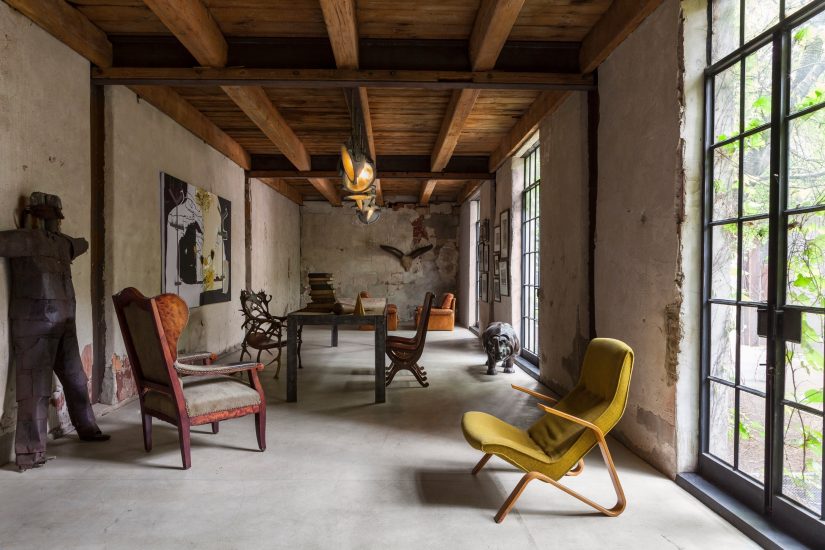
The Rise of Industrial Interior Design: From Warehouse to Chic Spaces

industrial interior design:

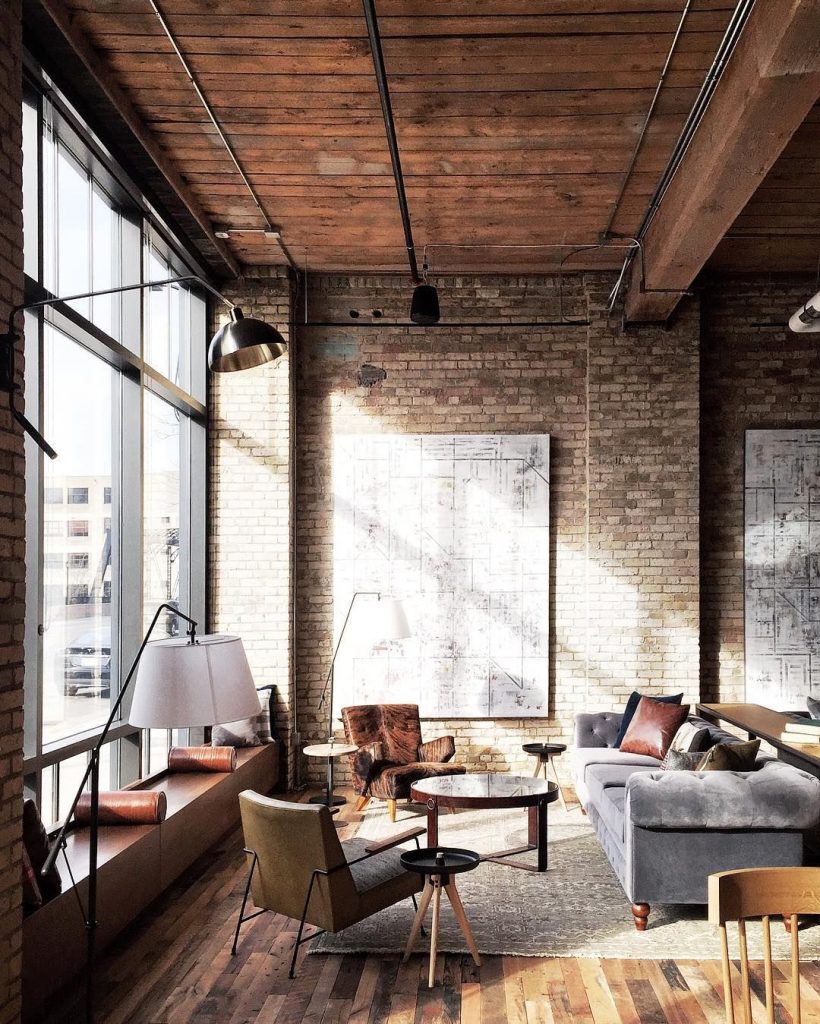
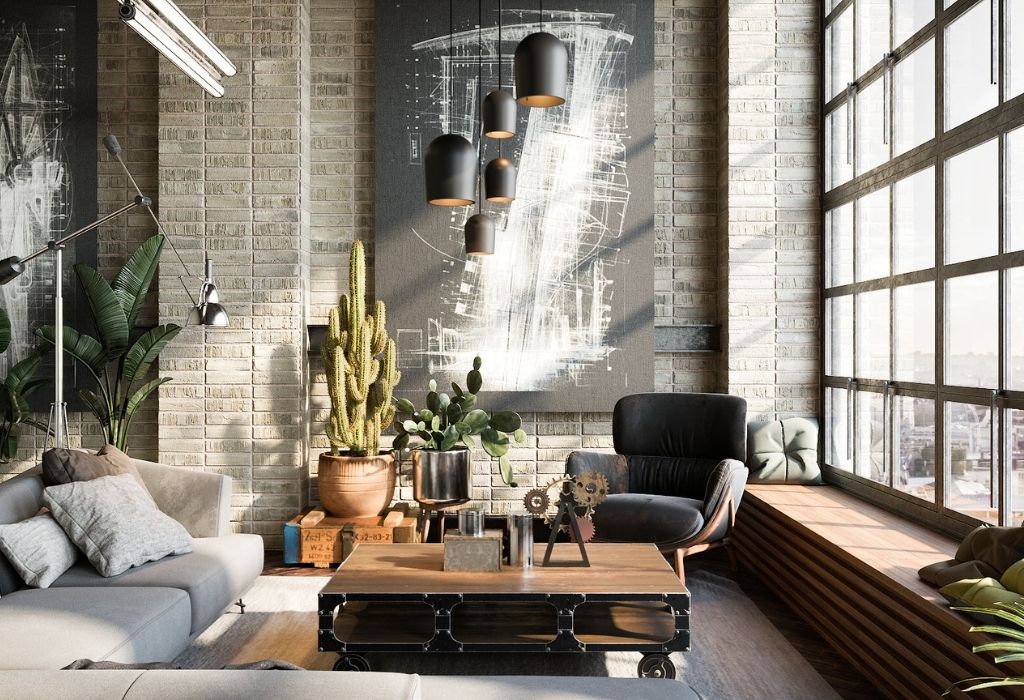
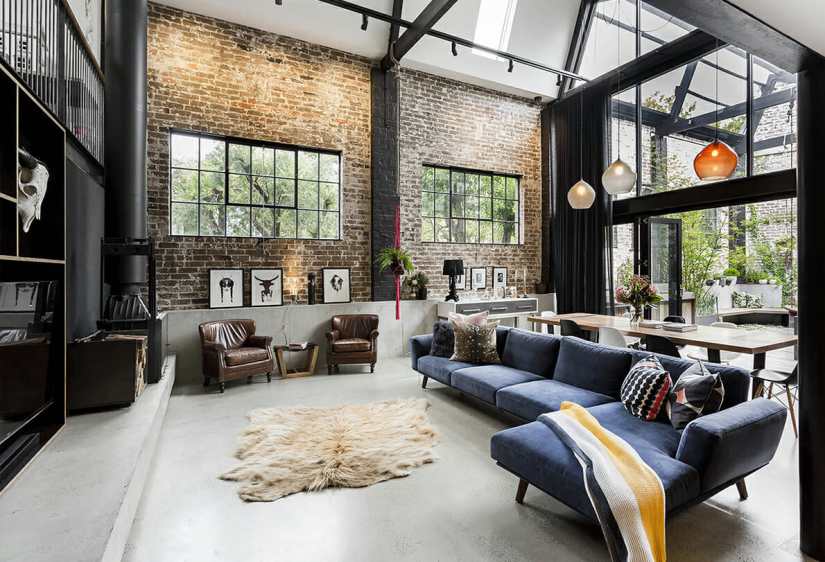
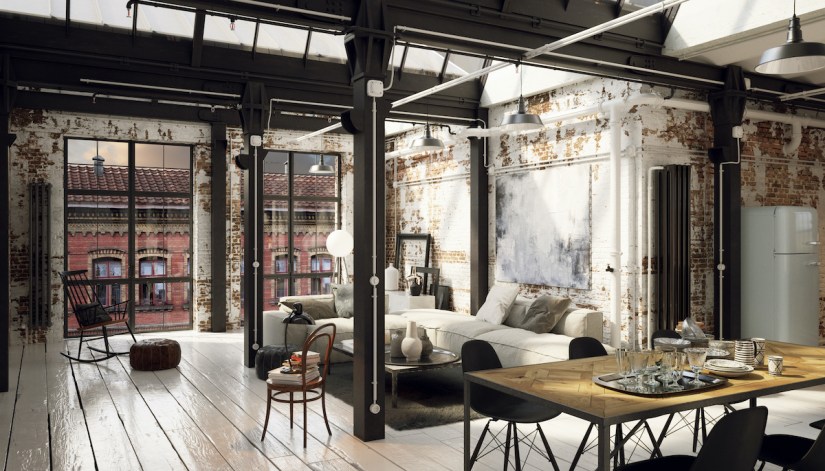
Industrial interior design, characterized by exposed brick, metal beams, and reclaimed wood, has become a staple of modern interior design. But where did this aesthetic come from, and how did it evolve from functional factories to stylish living spaces?

The Origins

Industrial interior design has its roots in the 19th century, during the Industrial Revolution. As factories and warehouses sprouted up in cities, architects and designers prioritized functionality over aesthetics. Exposed ductwork, concrete floors, and metal beams were practical solutions for efficient production and storage.

Post-Industrial Era

Fast-forward to the mid-20th century, when many factories and warehouses became obsolete or were abandoned. As urban renewal projects took hold, these spaces were repurposed as residential and commercial areas. Architects and designers saw an opportunity to transform these rugged structures into unique living and working spaces.

The Advent of Industrial Chic

In the 1980s and 1990s, industrial interior design began to gain popularity. Designers like Herzog & de Meuron and Richard Rogers pioneered the style, incorporating industrial elements into their designs. The aesthetic appealed to those seeking a raw, edgy alternative to traditional interior design.

Key Elements

Industrial interior design typically features:

  • Exposed brick or concrete walls
  • Metal beams and ductwork
  • Reclaimed wood and industrial materials
  • Minimal ornamentation
  • Functional lighting fixtures

Modern Interpretations

Today, industrial interior design has evolved to incorporate modern comforts and sustainability. Designers incorporate eco-friendly materials, energy-efficient systems, and sleek finishes while maintaining the aesthetic’s rugged charm.

Conclusion

Industrial interior design’s transformation from functional factories to stylish spaces reflects our appreciation for history, sustainability, and unique aesthetics. Whether in a converted warehouse or a newly built space, industrial interior design continues to inspire and influence modern design.

Image Source – Pinterest

25 Ideas – Designing small spaces- Challenge & Reward

Designing small spaces can be both challenging and rewarding. Here are some clever tricks and ideas to maximize small areas while maintaining style:

Photo by Pixabay on Pexels.com

1.Multi-Functional Furniture: Invest in furniture that serves multiple purposes. For instance:

A sofa bed can be used for seating during the day and as a bed at night.

Ottomans with hidden storage can hold blankets, pillows, or other items.

2.Floating Shelves: Install floating shelves on walls to display decor, books, or plants. They take up minimal floor space and add vertical storage.

3.Fold-Down Desks: Consider a fold-down desk or wall-mounted desk. When not in use, it folds up neatly against the wall.

Photo by Tirachard Kumtanom on Pexels.com

4.Under-Bed Storage: Utilize the space under your bed:

Use storage bins or drawers to keep items organized.

Choose a bed with built-in storage drawers.

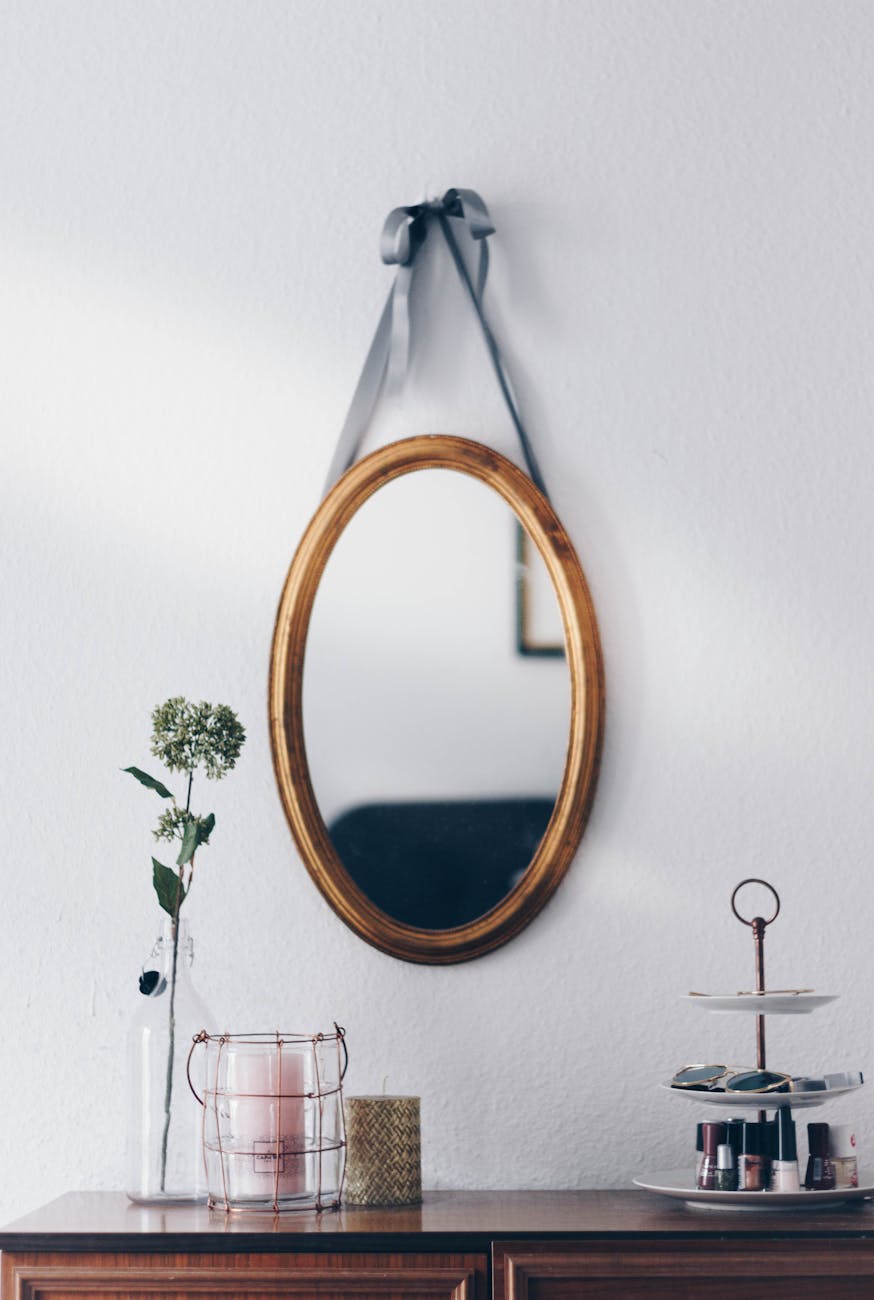
5.Mirrors: Mirrors create an illusion of space by reflecting light and making rooms feel larger. Place them strategically:

Photo by Nadine Wuchenauer on Pexels.com

Opposite a window to bounce natural light.

On closet doors or as a decorative wall piece.

6.Light Colours: Stick to light, neutral colours for walls, furniture, and decor. Light tones visually expand the room.

7.Vertical Gardens: If you love plants, consider a vertical garden. Hang planters or use a trellis to grow vines.

8.Sliding Barn Doors: Replace traditional doors with sliding barn doors. They save space and add rustic charm.

9.Nesting Tables: Nesting tables can be stacked when not in use, providing extra surface area when needed.

10.Open Shelving in the Kitchen: Instead of upper cabinets, opt for open shelves. They create an airy feel and display your kitchenware.

11.Corner Desks: Corner desks fit snugly into corners, maximizing workspace without taking up valuable floor space.

12.Wall-Mounted TVs: Wall-mount your TV to free up floor space and create a sleek look.

13.Compact Appliances: Choose smaller appliances for the kitchen and laundry room. Look for slim refrigerators, compact dishwashers, and stackable washer-dryer units.

14.Foldable Dining Tables: Use a foldable dining table that expands when guests come over and folds away when not needed.

Photo by Askar Abayev on Pexels.com

15.Built-In Storage Benches: In entryways or bedrooms, consider benches with hidden storage compartments.

16.Clear Furniture: Transparent or glass furniture (such as acrylic chairs or glass coffee tables) visually disappears, making the room feel less cluttered.

17.Ceiling-Mounted Curtains: Hang curtains from the ceiling to elongate the room and create a sense of height.

18.Miniature Art and Decor: Opt for smaller-scale art and decor pieces. Oversized items can overwhelm a small space.

19.Use Vertical Space in Closets: Install additional shelves or hanging rods to maximize closet storage.

20.Create Zones: Divide a studio apartment into functional zones:

Use rugs or furniture placement to define the living area, bedroom, and dining space.

Use room dividers or curtains for privacy.

Photo by Skylar Kang on Pexels.com

21.Incorporate Reflective Materials: Opt for white lacquered walls and glossy tiles. These high-shine materials are reflective and create the same maximizing effect as mirrors, bouncing light and making the space feel airier1.

22.Use Pocket Doors: Pocket doors with glass windows allow shared light to flow throughout the space while also creating separation. When not in use, they slide right into the wall, taking up less space than swinging doors1.

23.Create a Gallery Wall: Covering a wall floor-to-ceiling can make a small space feel larger. An assortment of framed works draws the eye up, making the room appear more expansive1.

24.Be Resourceful: When space is limited, use a chair as a side table and install wall sconces to save surface space. A cheerful colour can set a happy mood in a tiny room1.

Photo by Karl Solano on Pexels.com

25.Think Vertically: Hang subway tiles vertically to make a modestly sized bathroom feel taller and more streamlined. Stick to a tight palette of black, white, and blush to prevent clutter1.

If you like what you see and read, why don’t you join our email newsletter for more tips and tricks or check out our ebook and online courses – all about Interior Design.