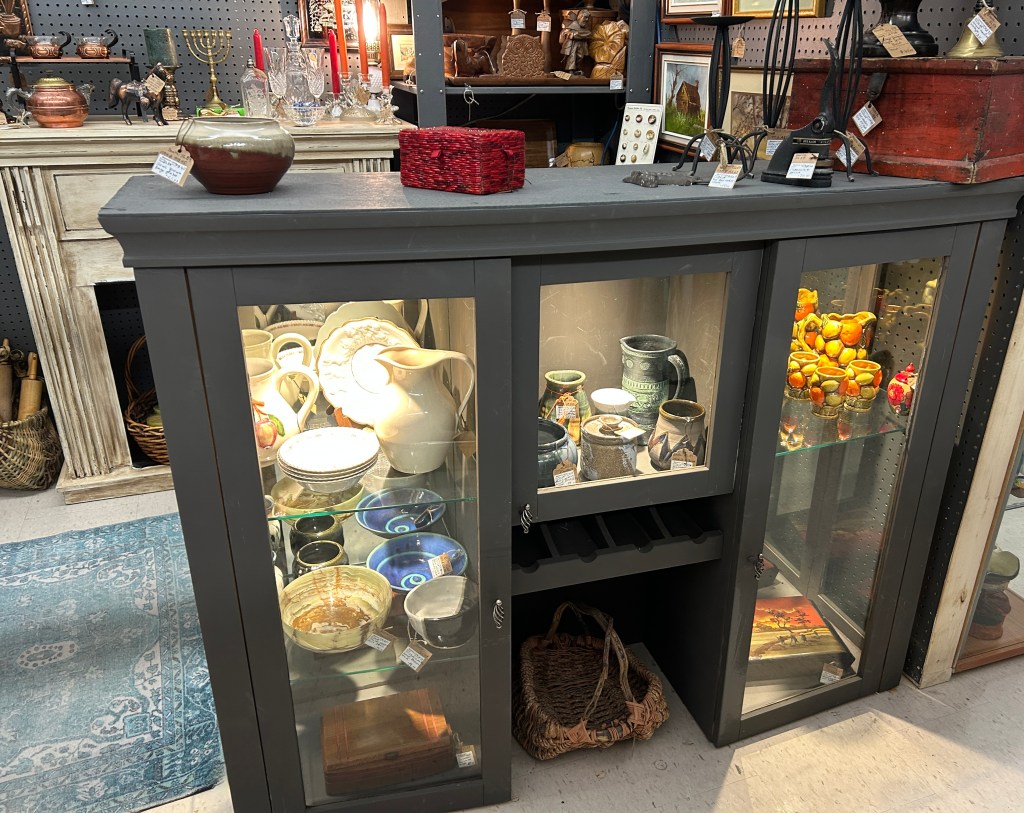
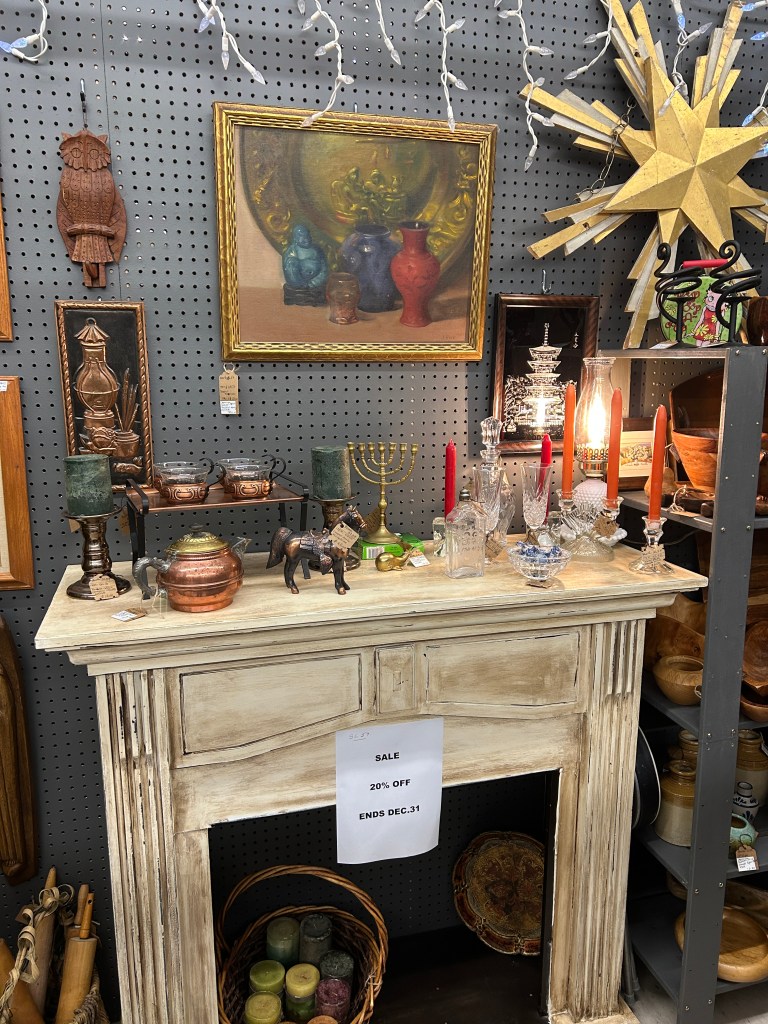
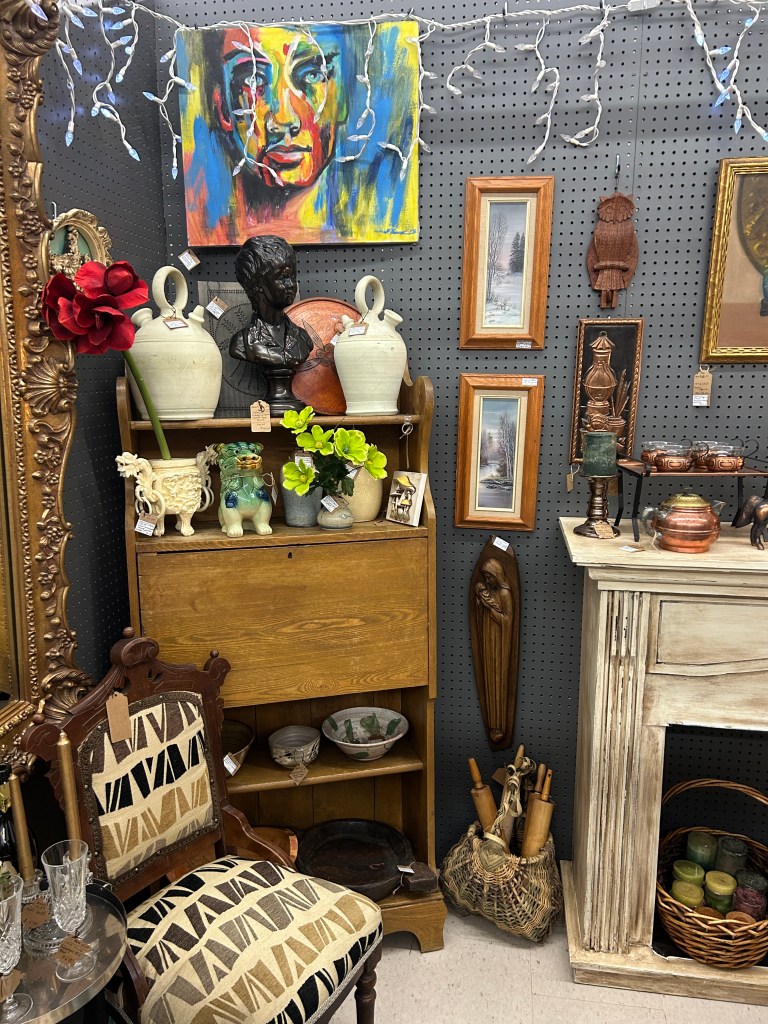
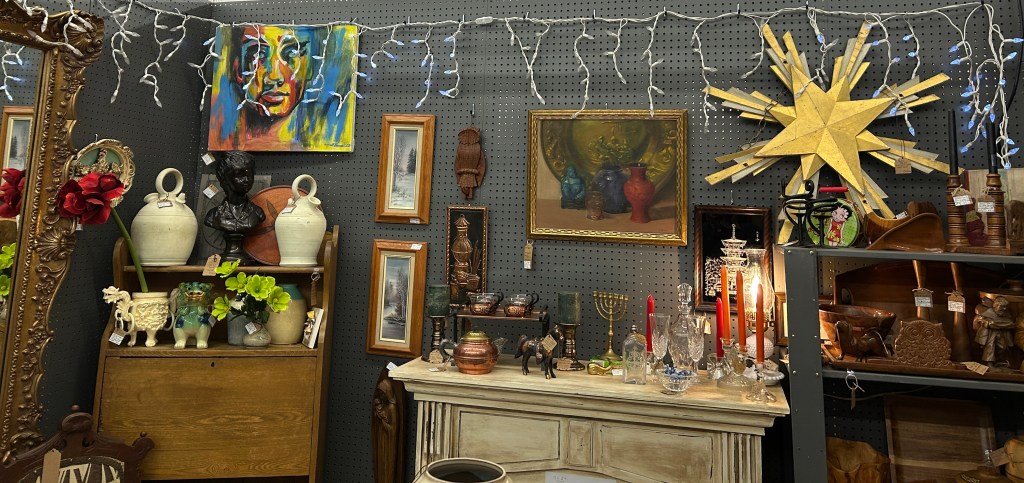
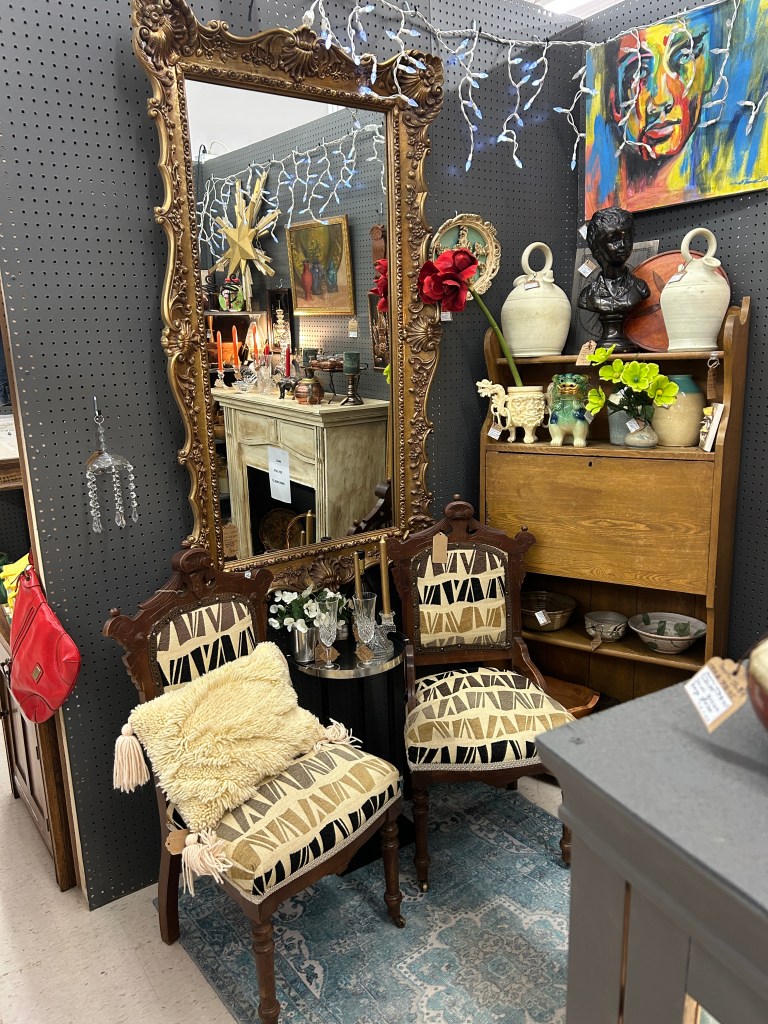
We are thrilled to announce the opening of our vintage booth at the Memory Lane Antique Mall, located at 9 Southdale East in London, Ontario. This venture is a labor of love, born from our passion for all things vintage and antique. We have curated a delightful collection of items, including Art, Ceramics, and unique Wooden Pieces, all sourced from our years of treasure hunting.Our booth is designed to evoke nostalgia and charm, inviting you to explore a variety of vintage finds that we hope will resonate with both collectors and casual shoppers alike. Each piece has its own story, and we believe that they can add a touch of history and character to your home.As we continue to grow, we are excited to expand our inventory and share even more of our favorite vintage treasures with you. We invite you to visit us at Memory Lane Antique Mall and discover the unique items we’ve collected over the years. Join us on this journey through time, where every visit promises new discoveries!
Paint the Town (Your Home!) in 2025: Unveiling the Hottest Colour Trends
Hello my Design Friends ! 2025 is just around the corner, and with it comes a fresh wave of exciting colour trends poised to transform our living spaces. Forget the beige – this year is all about bold statements, calming neutrals with a twist, and unexpected pops of vibrancy. Let’s dive into the shades that will be dominating home décor in 2025.
1. Earthy Elegance: The Continued Reign of Nature-Inspired Hues
While not entirely new, earthy tones continue their reign supreme. But forget dusty roses and muted browns. 2025 brings a sophisticated evolution:
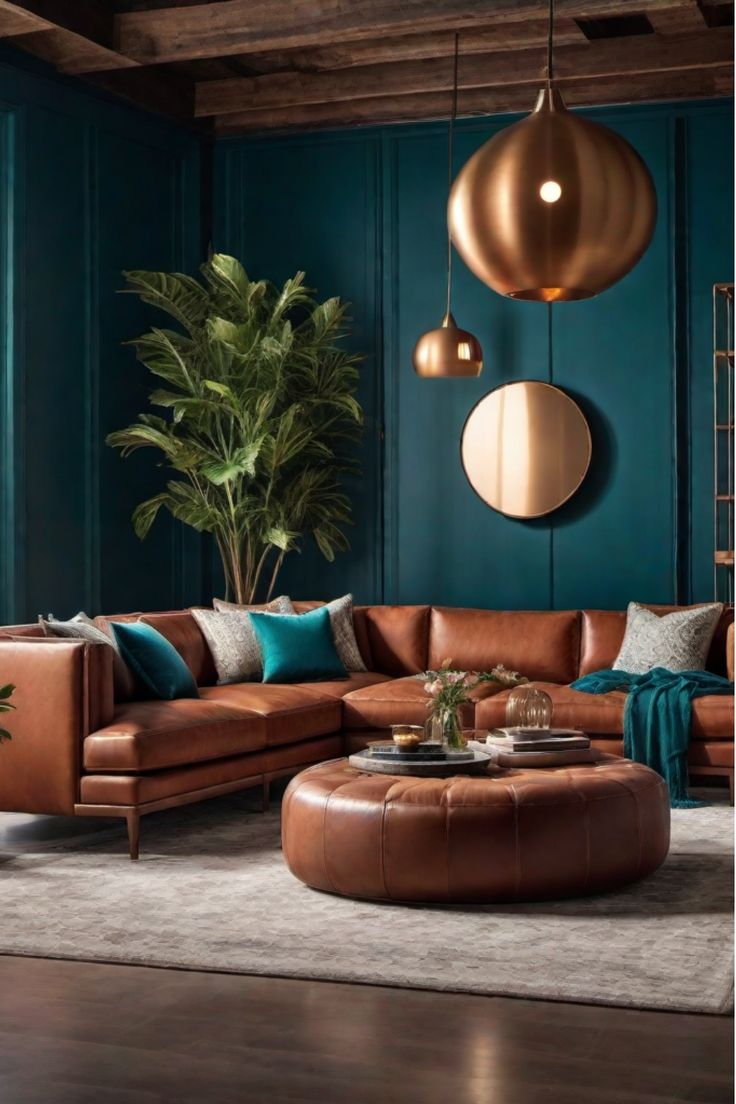
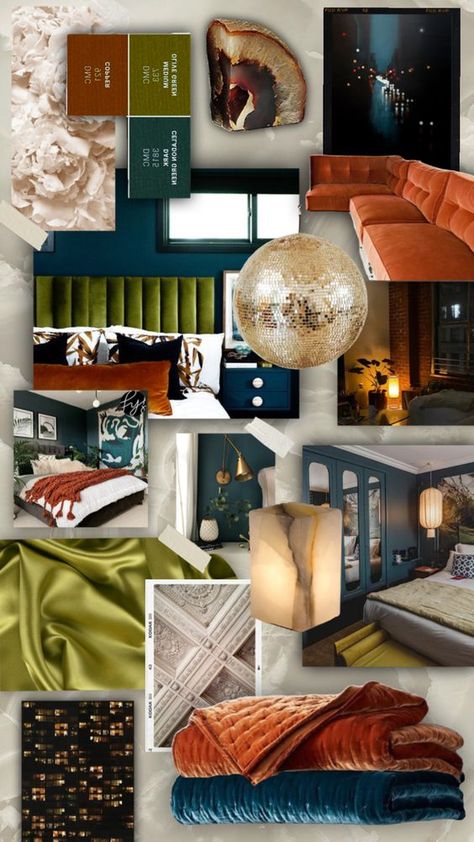
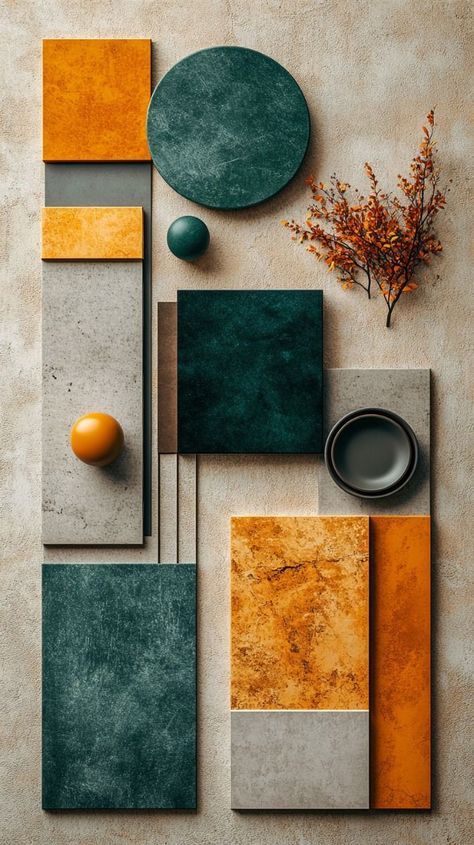
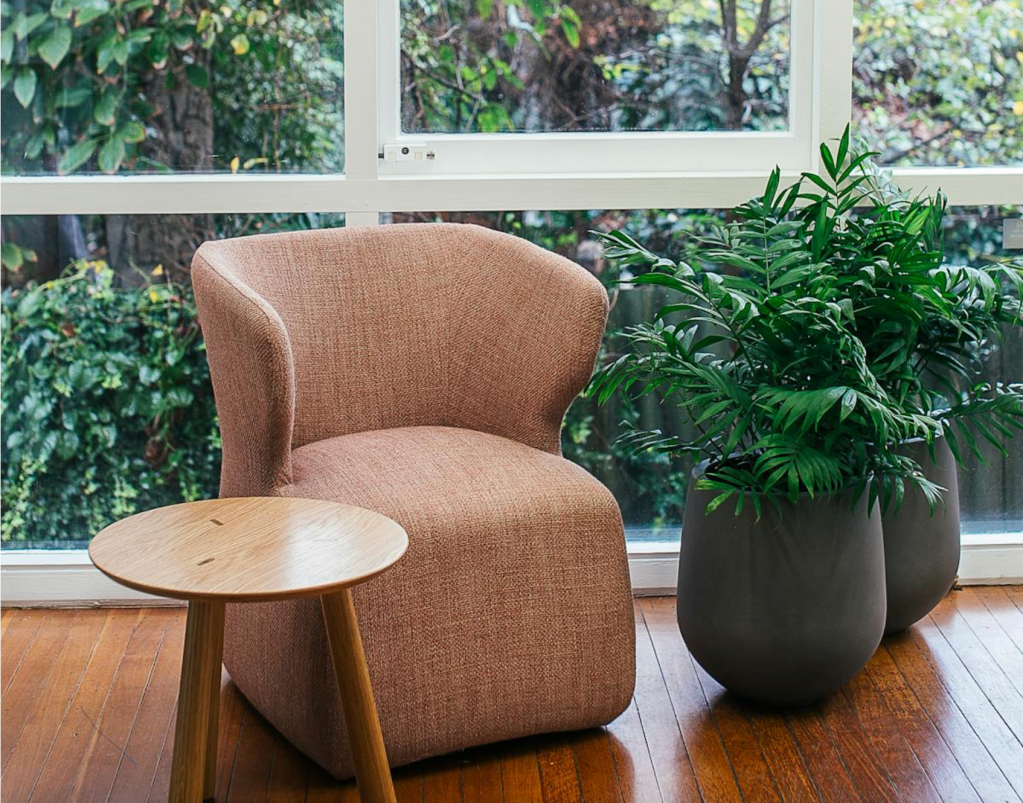
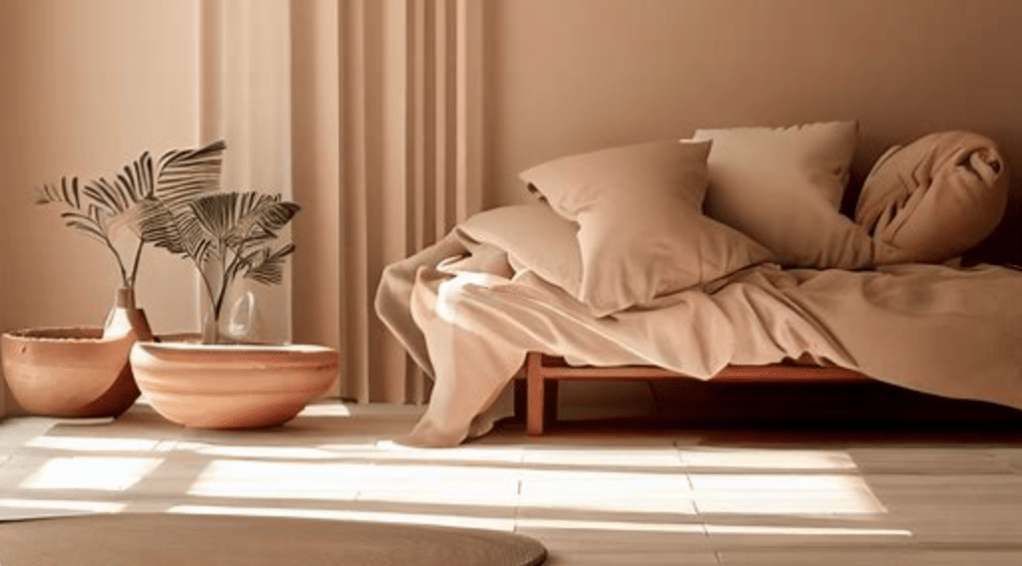
Terracotta Revival: A richer, more saturated terracotta is making a comeback, offering a warm and inviting ambiance. Think terracotta accents on furniture, statement walls, or even in textured ceramics. Source Pinterest
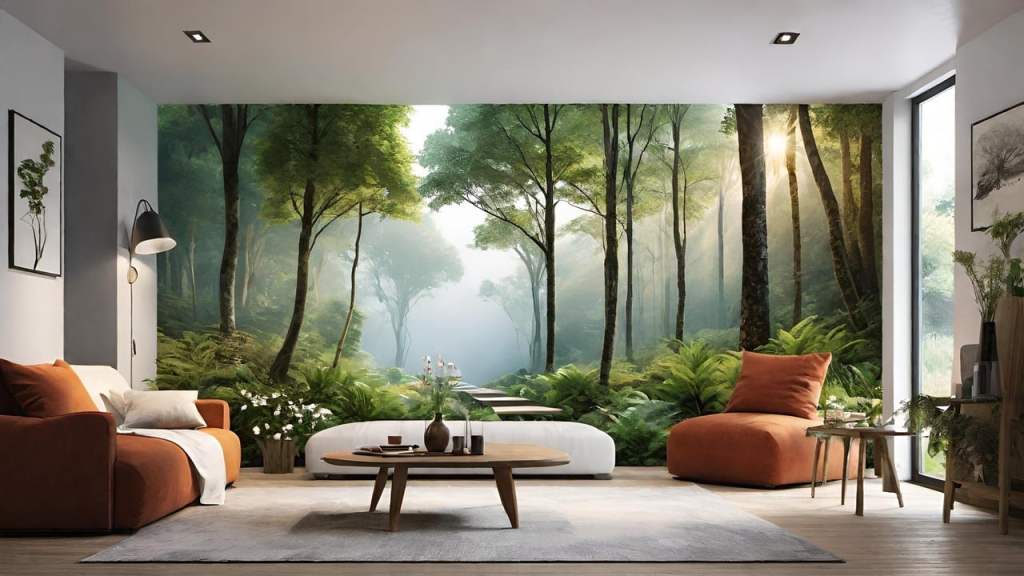
Deep Forest Greens: Moving beyond sage, we’re seeing deeper, jewel-toned greens that exude luxury and tranquility. Perfect for creating a sense of calm in living rooms or bedrooms. Source Pinterest
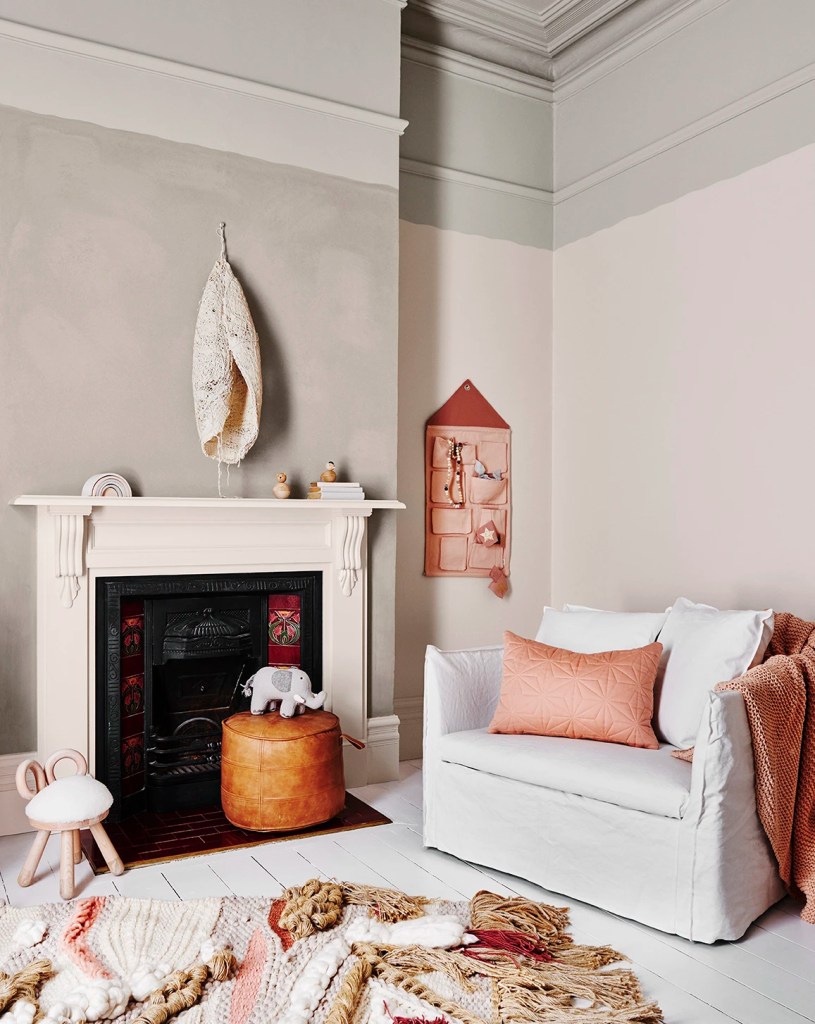
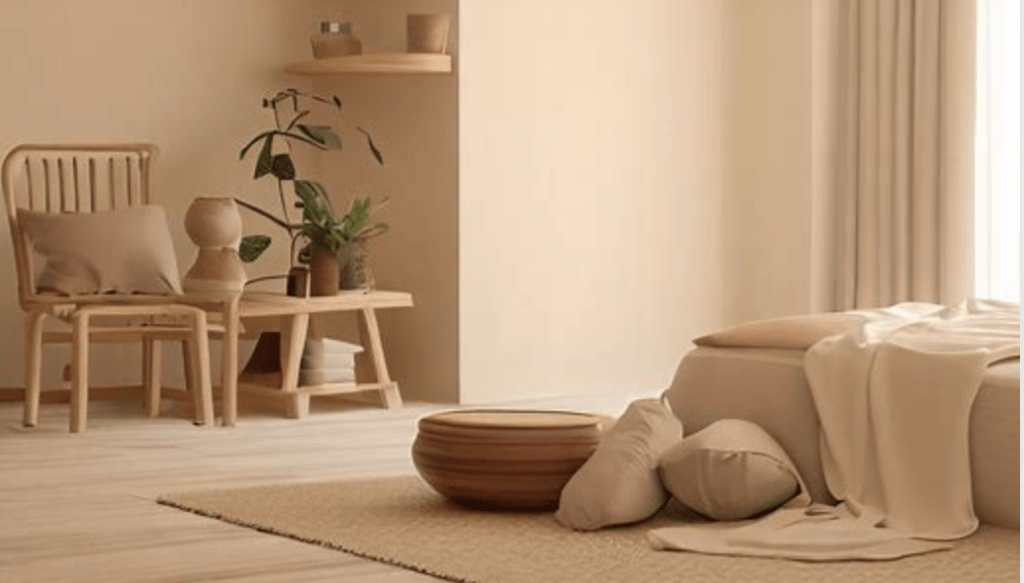
Sandy Neutrals with a Twist: Beige isn’t going anywhere, but it’s getting an upgrade. Look for sandy beige with subtle hints of rose, grey, or even ochre for added depth and personality. Source Pinterest
2. Bold and Bright: Stepping Outside the Comfort Zone
For those craving drama and personality, 2025 is your year!
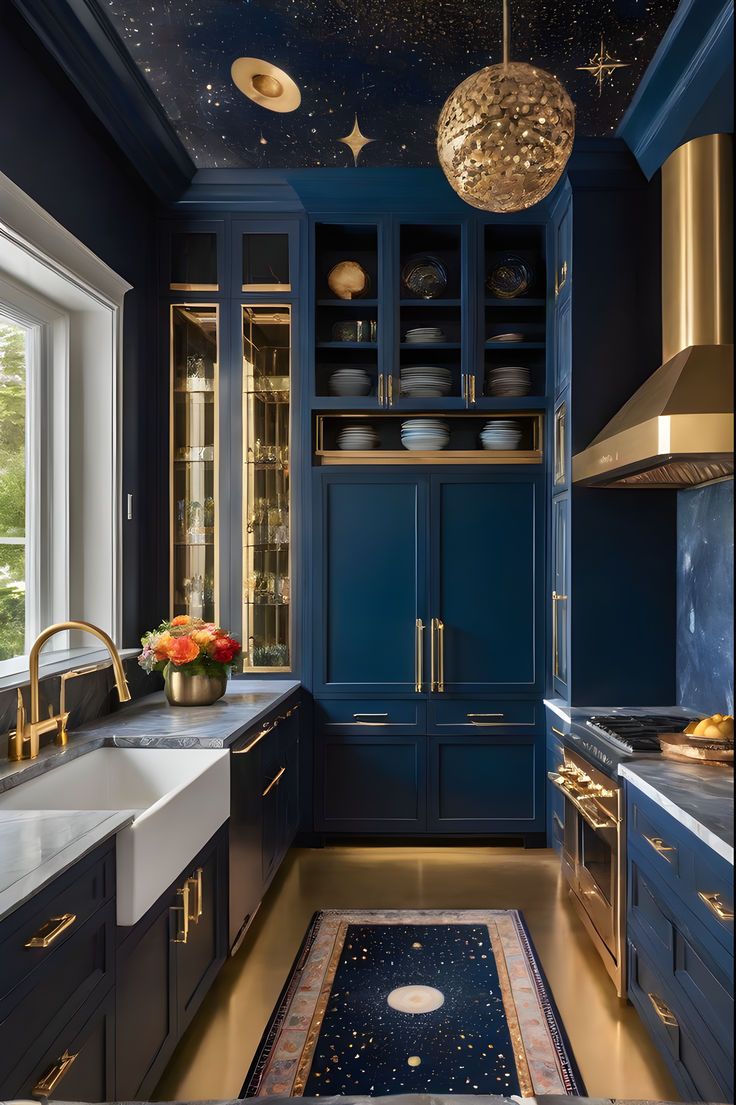
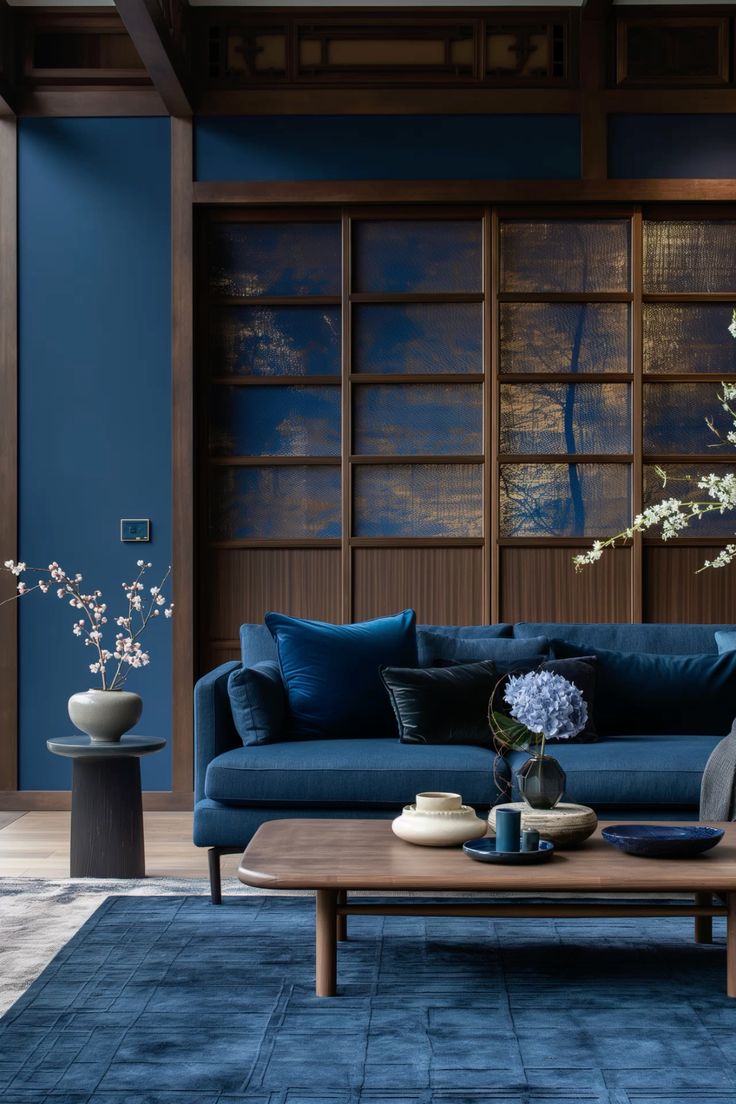
Vibrant Blues: Forget pastel blues – think deep indigo, sapphire, and cobalt. These intense shades add a touch of regal elegance and sophistication to any space. Use them sparingly as statement pieces or embrace them on a feature wall.
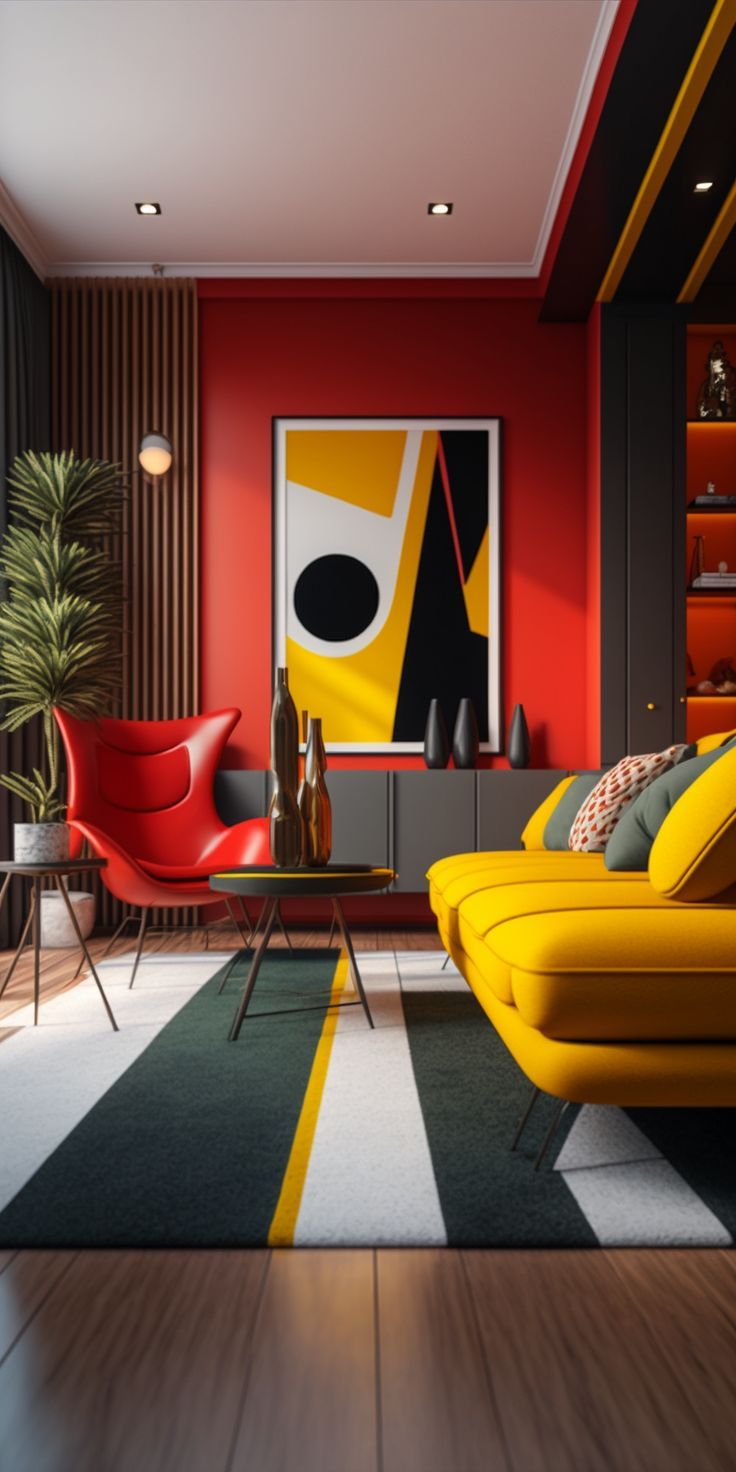
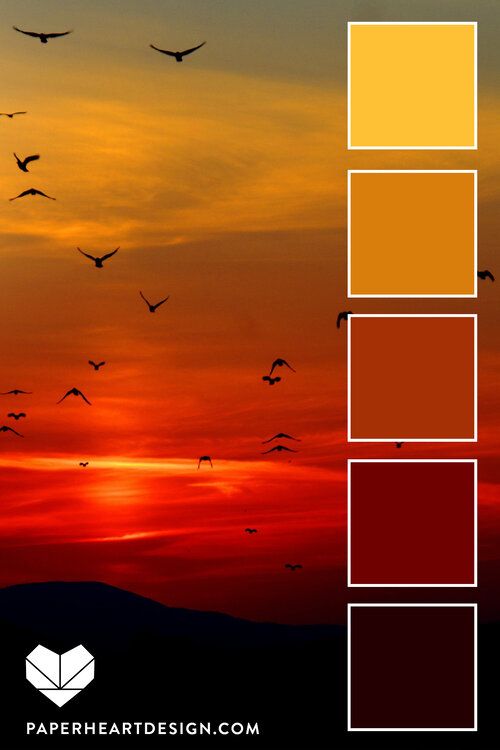
Sunset Hues: Warm oranges, fiery reds, and soft pinks reminiscent of a stunning sunset are bringing a playful yet sophisticated energy. These colours are perfect for creating a vibrant and inviting atmosphere in dining rooms or kitchens.
Unexpected Accents of Yellow: While not a dominant colour, sunny yellow pops are making a statement, adding a cheerful and optimistic vibe to otherwise neutral palettes. Think mustard yellow cushions or a sunny yellow vase.
3. The Rise of the “Muted Maximalism”
2025 sees a clever blend of maximalism and minimalism: “Muted Maximalism.” This trend embraces a rich palette of colours but keeps the intensity low, creating a harmonious and layered look. Think several shades of muted greens, blues, and browns combined with textured fabrics and natural materials.
Beyond Colour: Texture and Light
Remember, colour isn’t the only element shaping interior design trends. The interplay of light, texture, and materials is equally important. Consider incorporating natural textures like linen, wool, and rattan to complement your chosen colour palette.
Final Thoughts:
The colour trends for 2025 offer a delightful range of options, catering to every style and personality. Whether you’re drawn to the calming embrace of nature-inspired hues or the bold excitement of vibrant colours, remember to choose shades that resonate with you and create a space that truly reflects your individual style. Happy decorating!
What are your favourite colour trends for 2025? Share your thoughts in the comments below!
Industrial interior design, characterized by exposed brick, metal beams, and reclaimed wood, has become a staple of modern interior design. But where did this aesthetic come from, and how did it evolve from functional factories to stylish living spaces?
The Origins
Industrial interior design has its roots in the 19th century, during the Industrial Revolution. As factories and warehouses sprouted up in cities, architects and designers prioritized functionality over aesthetics. Exposed ductwork, concrete floors, and metal beams were practical solutions for efficient production and storage.
Post-Industrial Era
Fast-forward to the mid-20th century, when many factories and warehouses became obsolete or were abandoned. As urban renewal projects took hold, these spaces were repurposed as residential and commercial areas. Architects and designers saw an opportunity to transform these rugged structures into unique living and working spaces.
The Advent of Industrial Chic
In the 1980s and 1990s, industrial interior design began to gain popularity. Designers like Herzog & de Meuron and Richard Rogers pioneered the style, incorporating industrial elements into their designs. The aesthetic appealed to those seeking a raw, edgy alternative to traditional interior design.
Key Elements
Industrial interior design typically features:
Exposed brick or concrete walls
Metal beams and ductwork
Reclaimed wood and industrial materials
Minimal ornamentation
Functional lighting fixtures
Modern Interpretations
Today, industrial interior design has evolved to incorporate modern comforts and sustainability. Designers incorporate eco-friendly materials, energy-efficient systems, and sleek finishes while maintaining the aesthetic’s rugged charm.
Conclusion
Industrial interior design’s transformation from functional factories to stylish spaces reflects our appreciation for history, sustainability, and unique aesthetics. Whether in a converted warehouse or a newly built space, industrial interior design continues to inspire and influence modern design.
Timeless interior design is essential for creating a space that will never go out of style. While trends come and go, timeless design elements provide a sense of longevity and elegance. By incorporating timeless design into your home, you can create an environment that will stand the test of time and always feel current.
One of the key benefits of timeless design is its ability to adapt to changing styles and preferences. With a solid foundation of timeless design elements, you can easily incorporate modern trends without compromising the overall aesthetic. This allows you to keep your space fresh and up-to-date while still maintaining a timeless appeal.
In addition to its longevity, timeless design also offers a sense of comfort and familiarity. When you walk into a room with timeless design, you instantly feel at ease. This is because timeless design often relies on classic color palettes, natural materials, and balanced proportions, all of which create a harmonious and inviting atmosphere.
Whether you’re designing a new home or updating an existing space, embracing timeless design is a smart choice. It ensures that your space will always feel relevant and stylish, regardless of changing trends.
Key Elements of Timeless Interior Design
There are several key elements that define timeless interior design. These elements are foundational to creating a space that will never go out of style. Here are some of the key elements to consider:
– Neutral color palette: Timeless design often relies on neutral colors such as white, beige, gray, and taupe. These colors create a sense of calm and allow other design elements to take center stage.
– Classic furniture pieces: Incorporating classic furniture pieces is another important element of timeless design. Opt for pieces with clean lines, simple silhouettes, and high-quality materials.
– Natural materials: Embrace the beauty of natural materials such as wood, stone, and leather. These materials add warmth and texture to a space while also standing the test of time.
– Balanced proportions: Timeless design is all about balance. Ensure that your space has a sense of symmetry and proportion by carefully arranging furniture and decor.
– Quality craftsmanship: Investing in quality craftsmanship is key to achieving timeless design. Choose pieces that are well-made and built to last.
By incorporating these key elements into your interior design, you can create a space that is both timeless and visually appealing.
Incorporating Modern Trends with Timeless Design
While timeless design is all about creating a lasting aesthetic, that doesn’t mean you have to completely ignore modern trends. In fact, incorporating modern trends can add a fresh and contemporary touch to your timeless design. Here are some tips for successfully blending modern trends with timeless design:
– Choose one or two trendy elements: Instead of completely overhauling your space with every new trend, select one or two trendy elements to incorporate. This could be a statement light fixture, a bold piece of artwork, or a modern accent chair.
– Stick to a neutral base: To maintain the timeless appeal of your design, stick to a neutral base. This allows the trendy elements to take center stage without overwhelming the overall aesthetic.
– Mix old and new: Don’t be afraid to mix old and new pieces in your design. This juxtaposition creates visual interest and adds depth to your space. For example, pair a modern sofa with a vintage coffee table.
– Use accessories to incorporate trends: Accessories are a great way to bring in trendy elements without committing to a larger design change. Swap out throw pillows, rugs, and artwork to incorporate the latest colors and patterns.
By carefully selecting and integrating modern trends, you can keep your timeless design fresh and exciting.
Tips for Achieving Timeless Interior Design
Achieving timeless interior design requires careful planning and consideration. Here are some tips to help you create a space that will stand the test of time:
– Focus on quality: Invest in high-quality materials and craftsmanship. Quality pieces will not only last longer but also maintain their visual appeal.
– Embrace simplicity: Keep your design clean and uncluttered. Avoid excessive ornamentation and opt for simplicity instead. This will ensure that your design remains timeless and elegant.
– Prioritize function: Timeless design is not just about aesthetics; it’s also about functionality. Choose furniture and decor that serve a purpose and enhance the usability of your space.
– Pay attention to proportions: Balance and proportion are key elements of timeless design. Ensure that your furniture and decor are appropriately scaled for your space.
– Stay true to your personal style: While it’s important to incorporate timeless design elements, don’t forget to infuse your personal style into the space. This will make your design feel authentic and unique.
By following these tips, you can create a space that exudes timeless elegance and style.
Case Studies of Timeless Design in Real Homes
To further illustrate the concept of timeless design, let’s explore some real-life case studies of homes that have successfully embraced this aesthetic:
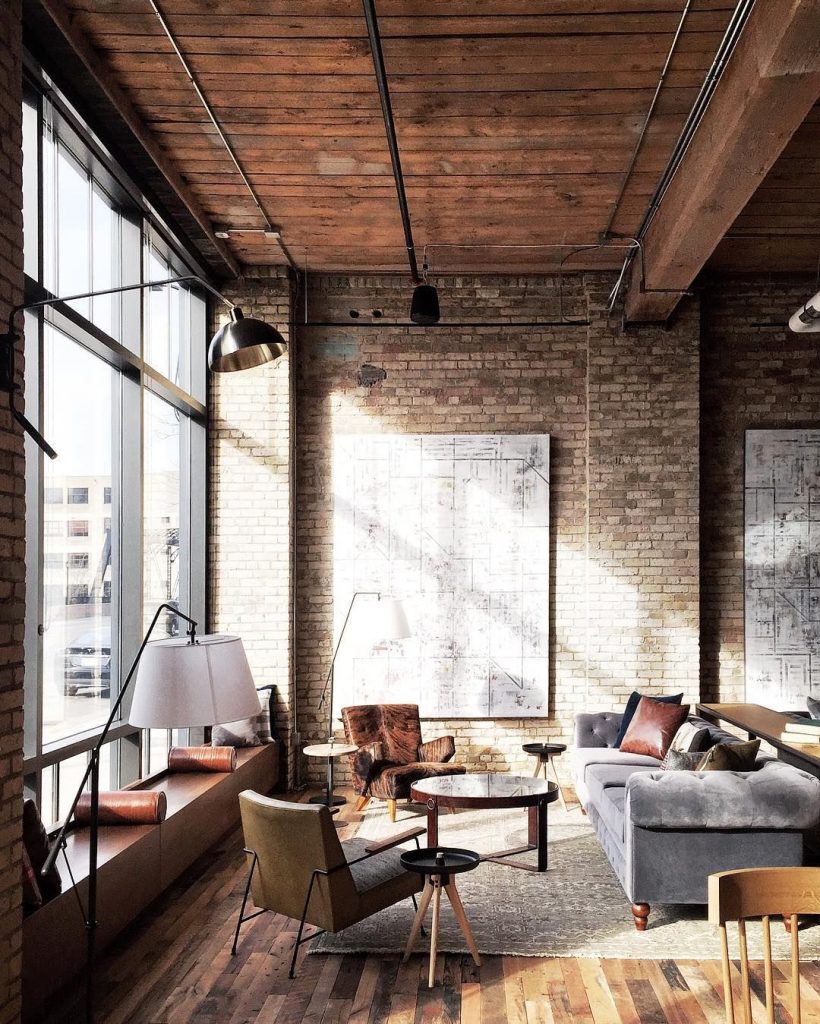
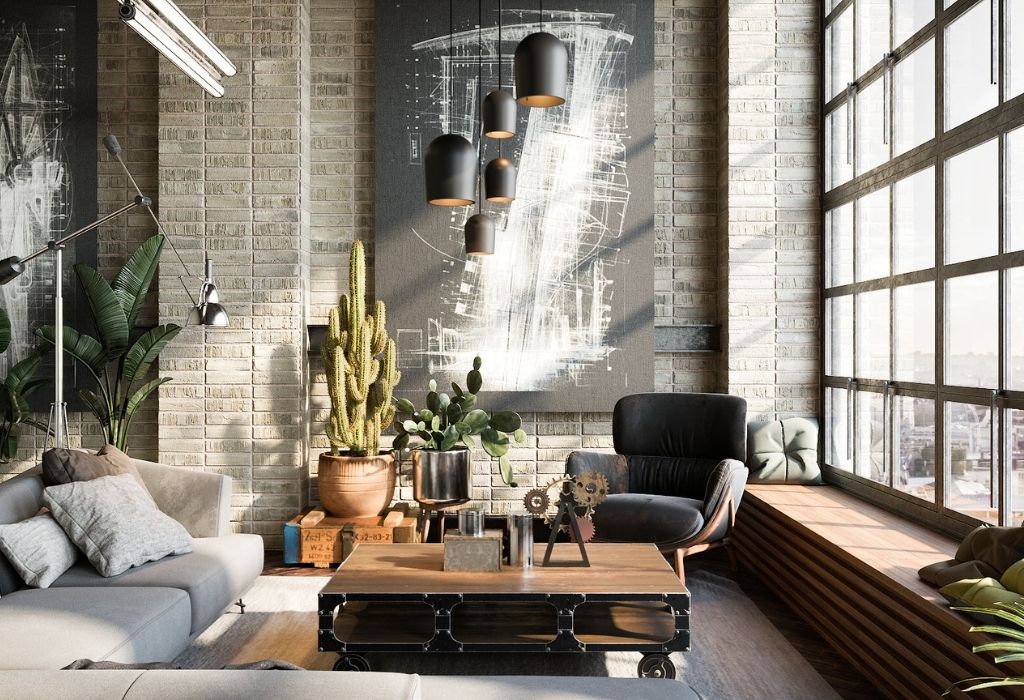
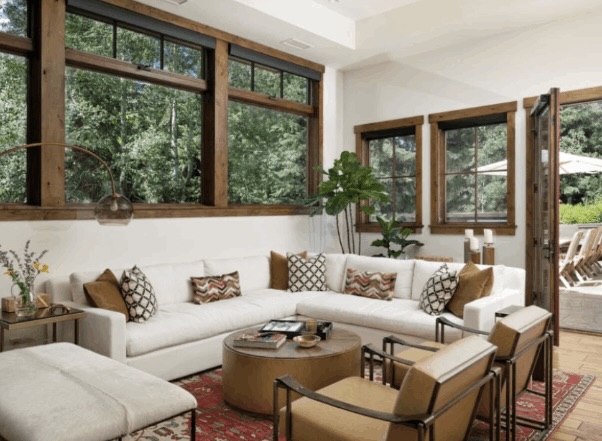
1. A prime example of timeless design. With its neutral color palette, classic furniture pieces, and use of natural materials, this home exudes a sense of elegance and sophistication. The balanced proportions and attention to detail further enhance the timeless appeal of this space.
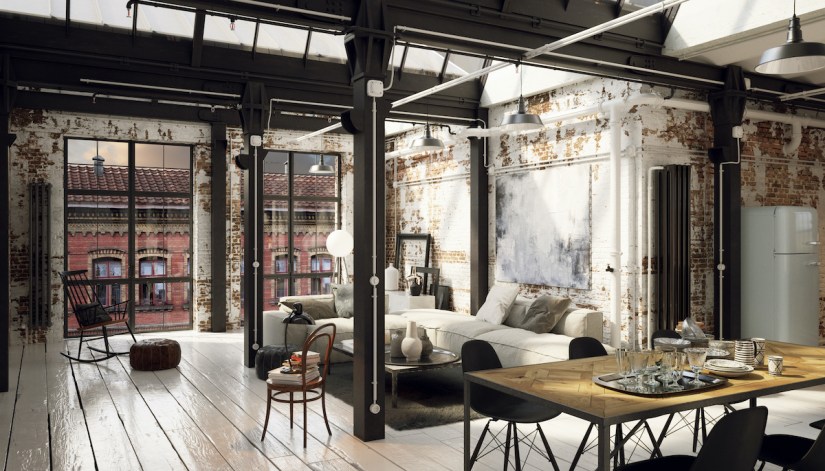
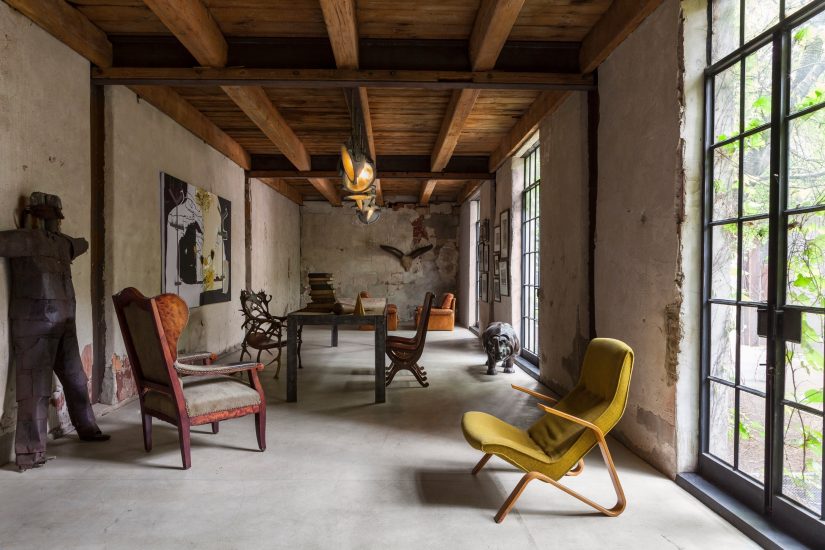
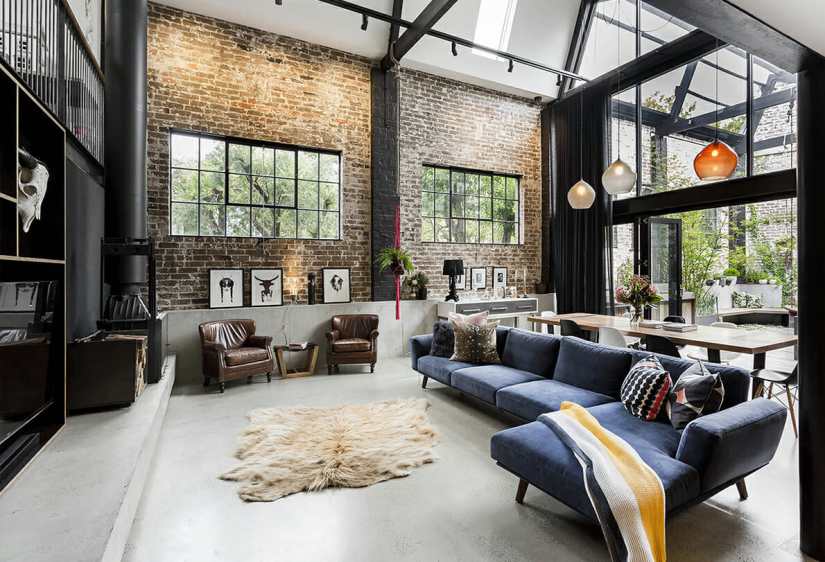
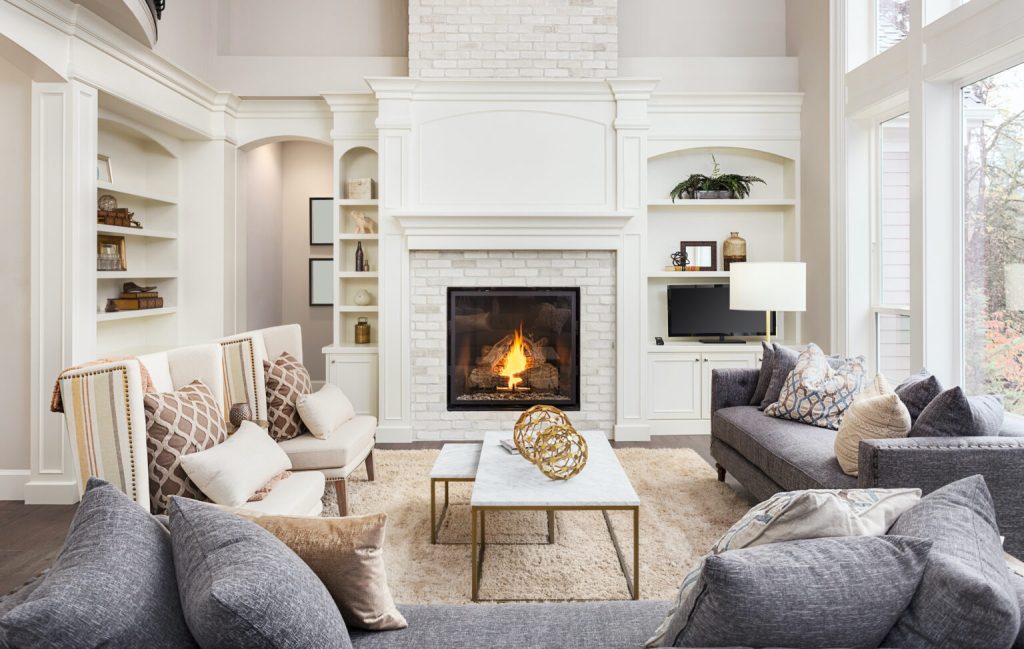
2. The Demonstration on how modern trends can be seamlessly incorporated into a timeless design. With its neutral base, a loft serves as a blank canvas for trendy elements such as bold artwork and statement lighting. The mix of old and new pieces adds a layer of visual interest and ensures that the design remains fresh and relevant.
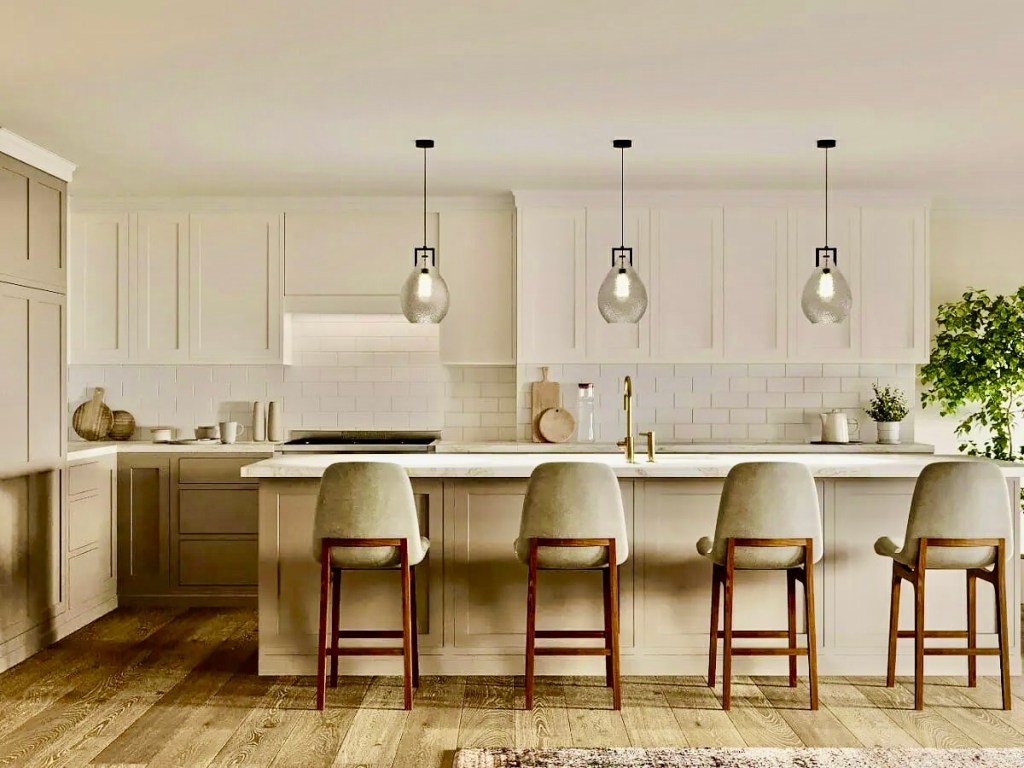
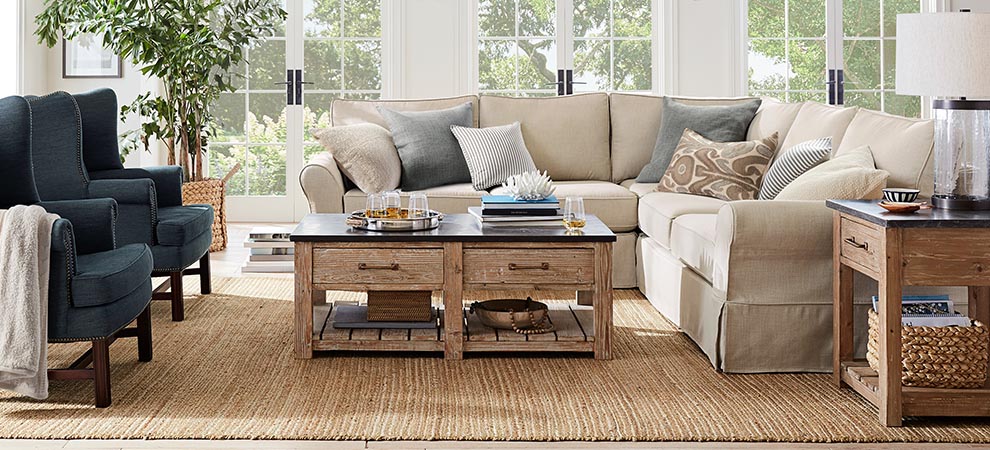
3. The showcase on how simplicity and functionality can coexist in timeless design. With its clean lines, uncluttered spaces, and emphasis on quality craftsmanship, this home creates a serene and inviting atmosphere. The use of natural materials adds warmth and texture, further enhancing the timeless appeal.
These case studies demonstrate the versatility and beauty of timeless design. By drawing inspiration from these examples, you can create a space that will never go out of style.
What is Biophilic Design? Biophilic design is a set of principles that can be followed to design living and working spaces that connect us with the natural world and enhance our physical, mental, and emotional well-being. It’s about finding ways to purposefully create a connection between people and nature when designing buildings and interiors².
Why Biophilic Design Matters
Rachel Claire
Health Benefits:
Research suggests that unhealthy indoor environments can lead to decreased work performance and even serious illnesses.
Humans are genetically programmed to prefer living amongst nature. The absence of natural elements indoors can make us sick.
Biophilic design aims to rekindle this connection with nature by thoughtfully incorporating natural elements, textures, shapes, and lighting into our living spaces⁴.
Three Levels of Nature-Connectedness:
Direct Nature Experiences:
These have the strongest impact on our health.
Examples include views from windows, natural lighting, and living plants.
Indirect Nature Experiences:
Include photographs of nature, recorded nature sounds, and natural shapes and colors.
Concept of Space and Place:
Considers whether the structure of the space resembles natural environments and provides elements of shelter¹.
How to Bring Nature Indoors
Living Plants:
Incorporate potted plants or hanging greenery into your home or office.
Plants improve air quality, reduce stress, and enhance well-being.
Natural Lighting:
Maximize natural light by positioning workspaces near windows.
Sunlight positively impacts mood and productivity.
Natural Materials:
Use wood, stone, and other natural materials in furniture and decor.
These materials evoke a sense of connection to nature.
Views of Nature:
Position desks or seating areas to offer views of greenery, water, or natural landscapes.
Water Features:
Consider adding indoor water features like fountains or aquariums.
The sound of flowing water promotes relaxation.
Conclusion
Biophilic design isn’t just about aesthetics; it’s about creating spaces that support our well-being. By bringing nature indoors, we can improve our health, productivity, and overall happiness. So, let’s embrace the beauty of nature within our living and working environments!3.
Remember, even though we mostly live indoors, our need to feel connected with nature remains strong. Biophilic design helps bridge that gap, making our spaces more harmonious and healthful.
Source: (1) Bringing Nature Home With The Power Of Biophilic Design. (2) Biophilic Design: Bringing Nature Indoors for Enhanced Well-Being. (3) Biophilic Design: Bringing Nature Indoors – Naava. (4) Biophilic Design: Bringing Nature Indoors for Enhanced Well-Being. (5) en.wikipedia.org. https://en.wikipedia.org/wiki/Biophilic_design.
6.Light Colours: Stick to light, neutral colours for walls, furniture, and decor. Light tones visually expand the room.
7.Vertical Gardens: If you love plants, consider a vertical garden. Hang planters or use a trellis to grow vines.
8.Sliding Barn Doors: Replace traditional doors with sliding barn doors. They save space and add rustic charm.
9.Nesting Tables: Nesting tables can be stacked when not in use, providing extra surface area when needed.
10.Open Shelving in the Kitchen: Instead of upper cabinets, opt for open shelves. They create an airy feel and display your kitchenware.
11.Corner Desks: Corner desks fit snugly into corners, maximizing workspace without taking up valuable floor space.
12.Wall-Mounted TVs: Wall-mount your TV to free up floor space and create a sleek look.
13.Compact Appliances: Choose smaller appliances for the kitchen and laundry room. Look for slim refrigerators, compact dishwashers, and stackable washer-dryer units.
14.Foldable Dining Tables: Use a foldable dining table that expands when guests come over and folds away when not needed.
15.Built-In Storage Benches: In entryways or bedrooms, consider benches with hidden storage compartments.
16.Clear Furniture: Transparent or glass furniture (such as acrylic chairs or glass coffee tables) visually disappears, making the room feel less cluttered.
17.Ceiling-Mounted Curtains: Hang curtains from the ceiling to elongate the room and create a sense of height.
18.Miniature Art and Decor: Opt for smaller-scale art and decor pieces. Oversized items can overwhelm a small space.
19.Use Vertical Space in Closets: Install additional shelves or hanging rods to maximize closet storage.
20.Create Zones: Divide a studio apartment into functional zones:
Use rugs or furniture placement to define the living area, bedroom, and dining space.
21.Incorporate Reflective Materials: Opt for white lacquered walls and glossy tiles. These high-shine materials are reflective and create the same maximizing effect as mirrors, bouncing light and making the space feel airier1.
22.Use Pocket Doors: Pocket doors with glass windows allow shared light to flow throughout the space while also creating separation. When not in use, they slide right into the wall, taking up less space than swinging doors1.
23.Create a Gallery Wall: Covering a wall floor-to-ceiling can make a small space feel larger. An assortment of framed works draws the eye up, making the room appear more expansive1.
24.Be Resourceful: When space is limited, use a chair as a side table and install wall sconces to save surface space. A cheerful colour can set a happy mood in a tiny room1.
25.Think Vertically: Hang subway tiles vertically to make a modestly sized bathroom feel taller and more streamlined. Stick to a tight palette of black, white, and blush to prevent clutter1.
If you like what you see and read, why don’t you join our email newsletter for more tips and tricks or check out our ebook and online courses – all about Interior Design.
“Escaping to a Contemporary Urban Countryside” is a design trend that combines elements of both urban and rural aesthetics. It’s about creating spaces that evoke the feeling of being in the countryside while still being within the city. Here are some key aspects:
Materials and Textures: Using materials like wood, stone, and natural fibres to create a rustic yet modern ambiance. Think exposed brick walls, reclaimed wood furniture, and textured fabrics.
Neutral Color Palette: Contemporary urban countryside spaces often feature soft, neutral colours inspired by nature. Earthy tones like beige, taupe, and sage green dominate the palette.
Open Spaces: The design emphasizes open floor plans, allowing seamless transitions between indoor and outdoor areas. Large windows and glass doors connect the interior to the surrounding landscape.
Interior Design Style
The interior design style associated with this trend blends rustic and contemporary elements. Here’s what you might find:
Minimalism: Clean lines, uncluttered spaces, and a focus on functionality. Minimalist furniture and decor allow the natural surroundings to take centre stage.
Scandinavian Influence: Scandinavian design principles align well with the urban countryside concept. Light-coloured woods, simple forms, and cozy textiles create a warm and inviting atmosphere.
Hygge: The Danish concept of hygge (pronounced “hoo-gah”) emphasizes coziness, comfort, and well-being. Soft lighting, plush textiles, and comfortable seating contribute to the hygge vibe.
Industrial Touches: Urban elements like exposed beams, metal accents, and concrete floors add an industrial edge. However, they’re softened by natural materials and warm lighting.
Emotional Impact
Calming Effect: The blend of natural elements and minimalist design promotes tranquility. Being surrounded by greenery and earthy colours can reduce stress and anxiety.
Connection to Nature: Even in a bustling city, these spaces allow us to reconnect with nature. Studies show that exposure to natural environments positively affects our mood and mental health.
Escape from Urban Chaos: The urban countryside provides a retreat from the noise and fast pace of city life. It’s a sanctuary where we can recharge and find balance.
Stress and Social Well-Being
Stress Reduction: Natural light, soothing colours, and comfortable furnishings contribute to stress reduction. When we feel at ease in our surroundings, stress levels decrease.
Social Interaction: These spaces encourage social interaction. Cozy corners, communal seating, and inviting nooks foster connections among people.
Sense of Belonging: By creating a sense of place, urban countryside design fosters a feeling of belonging. It’s a shared experience that brings people together.
Image Sources: Pinterest, Decoraid, Elephantstock, Accentsforliving, PlumguideOur inspiration this year was to combine timeless, simple raw beauty with neutral colours and sustainable materials.
We are inspired venturing out into the sun and seeing friends again after several months of being inside – and we hope that you are inspired too.
In a world often driven by the pursuit of perfection and the latest trends, there’s a quiet revolution taking place—one that celebrates imperfection, impermanence, and the beauty of the natural world. This movement, rooted in the ancient Japanese philosophy of Wabi-Sabi, offers a refreshing perspective on interior design that resonates deeply with the values of our modern society.Wabi-Sabi is more than just a design aesthetic; it’s a way of life—a philosophy that embraces simplicity, authenticity, and the passage of time. At its core, Wabi-Sabi encourages us to find beauty in imperfection and to appreciate the natural cycle of growth, decay, and renewal. In today’s world, where sustainability and mindfulness are increasingly important, Wabi-Sabi offers a timely and relevant approach to interior design that prioritizes quality over quantity and embraces the old values of reusing and recycling.
One of the key principles of Wabi-Sabi interior design is the idea of “finding beauty in the imperfect.” In a society that often values perfection above all else, Wabi-Sabi invites us to embrace the beauty of natural materials that show signs of wear and aging. From weathered wood and aged metal to handcrafted ceramics and worn textiles, Wabi-Sabi celebrates the unique character and history of each piece, reminding us that imperfection is not something to be hidden or corrected but rather something to be cherished and admired. Incorporating Wabi-Sabi into interior design also means embracing simplicity and minimalism. Instead of cluttering our homes with unnecessary possessions, Wabi-Sabi encourages us to carefully curate our spaces, choosing only the items that bring us joy and meaning. By paring down our belongings to the essentials, we create a sense of calm and serenity in our homes, allowing us to focus on what truly matters.But perhaps the most important aspect of Wabi-Sabi interior design is its emphasis on sustainability and mindful consumption. In a world facing increasing environmental challenges, Wabi-Sabi reminds us of the importance of living in harmony with nature and making conscious choices that minimize our impact on the planet. This means opting for natural, eco-friendly materials whenever possible, as well as choosing products that are built to last and can be repaired or repurposed rather than discarded.In this way, Wabi-Sabi interior design offers a powerful antidote to the throwaway culture that pervades so much of modern society. By embracing the values of reusing and recycling, as well as prioritizing quality over quantity, we can create spaces that not only look beautiful but also reflect our commitment to a more sustainable way of living. Ultimately, Wabi-Sabi interior design is about more than just creating visually appealing spaces; it’s about fostering a deeper connection to our surroundings and finding beauty in the everyday. By incorporating the principles of Wabi-Sabi into our homes, we can create spaces that are not only aesthetically pleasing but also meaningful and soulful, reminding us to slow down, appreciate the moment, and find joy in the simple things. Some practical examples of how to incorporate Wabi-Sabi interior design into your home decor and living spaces, along with suggestions on where to find pieces to bring this aesthetic to life.
1. Natural Materials: Embrace the beauty of natural materials such as wood, stone, and clay. Look for furniture made from reclaimed or sustainably sourced wood, like a weathered oak dining table or a live-edge coffee table. Incorporate stone accents, such as a rough-hewn granite countertop or a slate backsplash in the kitchen. For ceramics, seek out handmade pottery with imperfect shapes and earthy glazes, adding warmth and texture to your space. Where to Find: Local artisans and craftsmen often create one-of-a-kind pieces that embody the Wabi-Sabi aesthetic. You can also explore online marketplaces specializing in handmade goods, such as Etsy, or visit artisanal shops and pottery studios in your area.
2. Vintage and Antique Finds: Embrace the patina of age by incorporating vintage and antique pieces into your decor. Look for furniture with history and character, like a worn leather armchair or a distressed wooden cabinet. Vintage textiles, such as faded kantha quilts or handwoven rugs, add softness and warmth to a space while telling stories of the past. Where to Find: Explore local flea markets, antique shops, and thrift stores for unique finds with personality. Online marketplaces like Chairish and 1stdibs offer curated collections of vintage and antique furniture and decor.
3. Artful Imperfections: Celebrate imperfection through art and decor that embraces handmade craftsmanship and organic forms. Hang a gallery wall of abstract paintings with textured brushstrokes and muted tones. Display handmade ceramics and pottery on open shelves, mixing different shapes and sizes for visual interest. Incorporate natural elements like driftwood, dried flowers, and woven baskets to add depth and dimension to your space. Where to Find: Seek out local artists and makers who create unique pieces that reflect the Wabi-Sabi aesthetic. Artisan markets, craft fairs, and online platforms like Society6 and Saatchi Art are great places to discover original artwork and handmade decor.
4. Simplicity and Space: Embrace simplicity and minimalism in your decor by decluttering and allowing space for objects to breathe. Choose furniture with clean lines and simple silhouettes, avoiding excessive ornamentation. Opt for neutral colour palettes inspired by nature, with shades of beige, gray, and muted greens creating a serene and harmonious environment. Where to Find: Scandinavian design brands like Muuto and Hay offer minimalist furniture and decor that aligns with the Wabi-Sabi aesthetic. You can also find simple and elegant pieces at mainstream retailers like IKEA and West Elm, focusing on quality craftsmanship and timeless design. By incorporating these practical examples into your home decor and living spaces, you can embrace the Wabi-Sabi aesthetic and create a harmonious environment that celebrates imperfection, simplicity, and the beauty of the natural world.
Let’s get into the fascinating world of colour psychology in interior design. In this concise 10-page ebook, we’ll explore how different colours impact our emotions, behaviour, and overall well-being within our living spaces.
Colour Psychology in Interior Design
1. Introduction
Colour plays an indispensable role in shaping the atmosphere and energy within a living space. The careful choice of paint colours for your home’s interior not only enhances its visual appeal but also significantly impacts your mood, well-being, and daily experiences within the space.
2. Understanding Colour Psychology
Colour psychology is a theory that examines how each colour affects a person’s mood, cognitive functions, creativity, and productivity. When surrounded by calming hues such as blue or green, individuals feel relaxed. Conversely, vibrant tones like red, maroon, or orange evoke energy and passion. Neutral colours such as white or grey create a serene ambiance.
3. Role of Different Colours
Let’s explore the psychological effects of various colours commonly used in interior design:
a. Blue
Ideal for: Bedrooms, bathrooms, and meditation spaces.
Calming: **Psychological Background:Blue is often associated with the sky and the sea, which are inherently calming and expansive. Psychologically, it is known to promote feelings of peace, trust, and security. Blue has been shown to have a calming effect on the mind, reducing stress levels and promoting relaxation. It is also linked to increased productivity and concentration, making it an excellent choice for workspaces and areas where focus is required.
b. Green
Ideal for: Living rooms, kitchens, and home offices.
Harmonious:**Psychological Background:** Green is the colour of nature, representing growth, renewal, and harmony. Psychologically, it is believed to have a balancing effect on the emotions, promoting feelings of stability, balance, and vitality. Green is often associated with feelings of freshness, rejuvenation, and health, making it an ideal choice for spaces where you want to foster a sense of well-being and connection with the natural world.
c. Red
Ideal for: Dining areas and accent walls.
Energetic: **Psychological Background:** Red is a highly stimulating colour that is associated with energy, passion, and intensity. Psychologically, it is known to increase heart rate and blood pressure, activating the body’s fight-or-flight response. Red is often used to evoke strong emotions and create a sense of urgency or excitement. It can also stimulate appetite and encourage social interaction, making it a popular choice for dining areas and social spaces.
d. Yellow
Ideal for: Kitchens, playrooms, and entryways.
Cheerful: **Psychological Background:** Yellow is the colour of sunshine, representing warmth, optimism, and happiness. Psychologically, it is known to uplift spirits and evoke feelings of joy, positivity, and energy. Yellow is often associated with creativity and intellect, stimulating mental activity and promoting a sense of optimism and confidence. It can also have a warming effect on the body and mind, making it an excellent choice for spaces where you want to create a sense of brightness and cheerfulness.
e. Grey
Ideal for: Any room, especially when paired with vibrant accents.
Sophisticated: **Psychological Background:** Grey is a neutral colour that is often associated with stability, sophistication, and balance. Psychologically, it is believed to have a calming effect on the emotions, promoting feelings of composure, serenity, and introspection. Grey is also associated with practicality and reliability, making it a popular choice for minimalist and contemporary designs. It can provide a sense of grounding and stability in a space, allowing other colours and elements to stand out.
f. Purple
Ideal for: Bedrooms and cozy reading nooks.
Regal: **Psychological Background:** Purple has long been associated with royalty, luxury, and spirituality. Psychologically, it is known to stimulate the imagination and encourage creativity. Purple is often associated with introspection, intuition, and mysticism, making it a popular choice for spaces where you want to create a sense of luxury and sophistication. It can also promote feelings of relaxation and tranquility, making it an excellent choice for bedrooms and meditation rooms.
g. Orange
Ideal for: Home gyms and creative spaces.
Invigorating: **Psychological Background:** Orange is a vibrant and energetic colour that is associated with enthusiasm, creativity, and warmth. Psychologically, it is known to stimulate the senses and evoke feelings of excitement, motivation, and vitality. Orange is often associated with optimism and adventure, encouraging risk-taking and exploration. It can also stimulate appetite and promote social interaction, making it a popular choice for kitchens, dining areas, and social spaces.
h. Brown
Ideal for: Earthy-themed rooms and rustic decor.
Grounding: **Psychological Background:** Brown is the colour of the earth, representing stability, security, and comfort. Psychologically, it is known to evoke feelings of warmth, safety, and reassurance. Brown is often associated with reliability and resilience, making it a popular choice for grounding and anchoring a space. It can also create a sense of coziness and intimacy, making it an excellent choice for creating inviting and welcoming environments.
4. Practical Tips
Balance: Use a mix of warm and cool colours to create harmony.
Accent Walls: Experiment with bold colours on a single wall.
Personalization: Consider your personality and preferences when choosing colours.
5. Conclusion
Remember that colour is a powerful tool in interior design. Keep in mind that that colour psychology will influence every space, no matter if you try to create a relaxing space or a living or work space. The knowledge about colour psychology will help you make informed choices
Understanding the Influence of Color in Design
The Impact of Color Psychology in Interior Design
Exploring Color Psychology in Interior Design
Color psychology in interior design delves into how colour selections can shape our emotions, behaviours, and overall ambiance within a space. This study empowers designers to craft environments that evoke specific emotional responses, enriching both the functionality and visual appeal of diverse rooms.
The Significance of Colours in Interior Design
Colours wield considerable influence over the atmosphere and mood of a space. While warm tones such as red, orange, and yellow invigorate and inspire, cooler hues like blue, green, and purple instils calmness and tranquility. Meanwhile, neutral shades offer versatility, fostering a sense of elegance and timelessness.
Selecting the Perfect Palette for Your Space
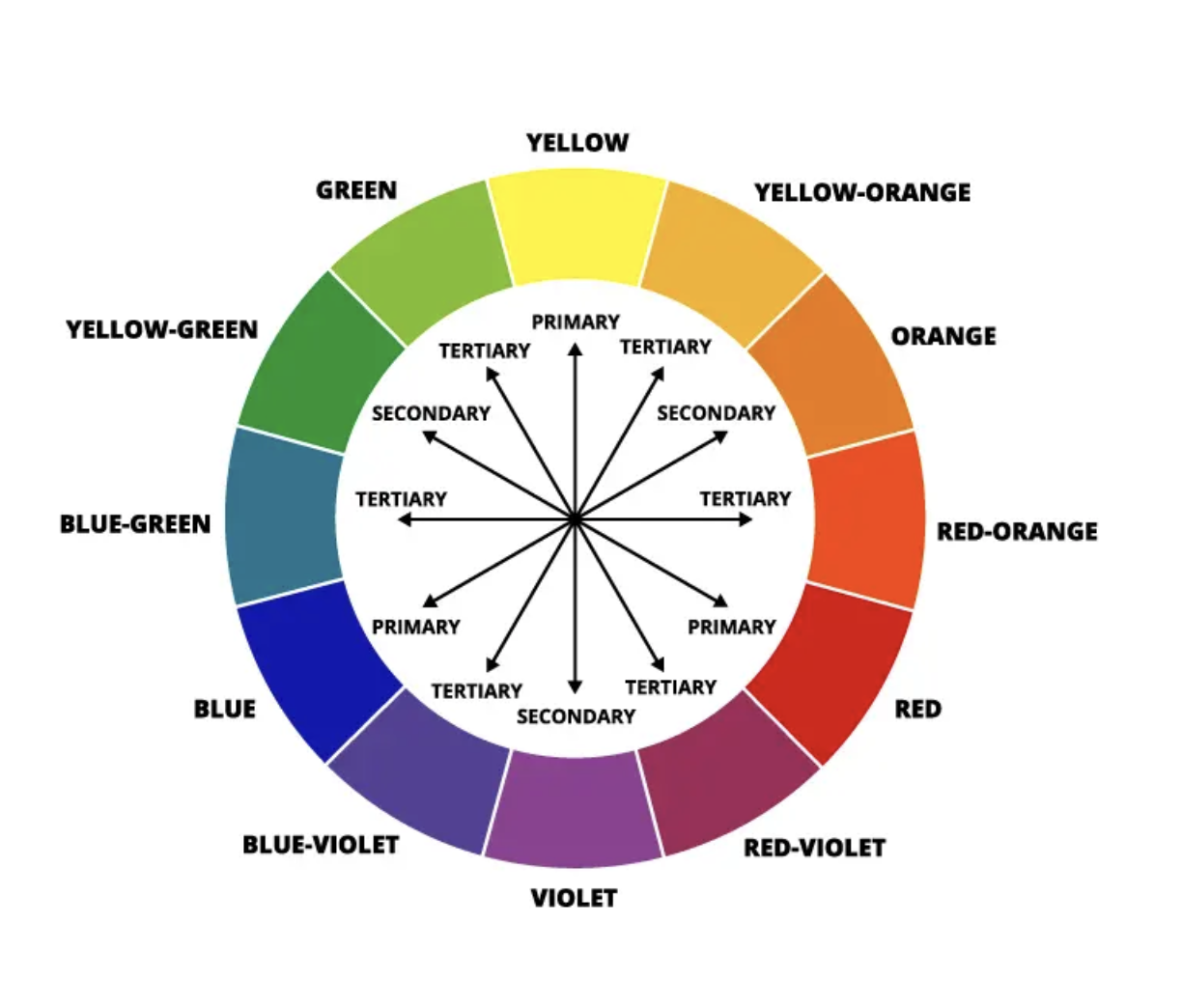
Choosing the right colours involves thoughtful consideration of the room’s purpose, lighting conditions, and desired mood. Employing colour schemes such as monochromatic or complementary can establish visual harmony, while aligning colour choices with their psychological effects and intended ambiance is paramount. Additionally, accounting for natural and artificial lighting ensures colours maintain their intended impact.
Color’s Role in Shaping Mood
Colours possess the ability to profoundly influence the mood of a space. For instance, serene blues in a bedroom promote relaxation and restful sleep, while vibrant reds in a kitchen can stimulate appetite and encourage lively conversation. Aligning colour selections with desired activities and atmospheres is essential for creating harmonious interiors.
The Importance of Color Psychology in Design
Understanding colour psychology is vital as it directly impacts people’s emotions and behaviours within a space. Thoughtfully chosen colours have the potential to uplift mood, enhance productivity, and even improve physical well-being. Conversely, inappropriate colour choices may lead to discomfort or agitation among occupants.
The Contemporary Application of Color in Design
Today, colour serves not only as an aesthetic element but also as a tool to manipulate spatial perception, convey brand identity in commercial settings, and promote occupant well-being. Designers prioritize staying abreast of colour trends and adopting sustainable and psychologically beneficial colour palettes in their projects.
The Influence of Lighting on Color Perception
Lighting plays a crucial role in how colours are perceived within a room. Natural light accurately showcases hues, while artificial lighting can alter colour tones and intensity. Understanding the nuances of lighting conditions is essential for selecting colours that maintain their desired appearance across different settings.
Colour’s Impact on Productivity and Well-Being
Room colours have a profound effect on productivity and well-being. For instance, calming blues enhance focus and concentration, making them ideal for office or study spaces. Meanwhile, greens can alleviate eye strain and promote a sense of balance, contributing to overall comfort and wellness.
Utilizing Color Psychology to Shape Atmosphere
To create a desired atmosphere using colour psychology, begin by identifying the desired mood. Choose colours accordingly: warm tones for a welcoming ambiance, cool shades for serenity, or neutrals for balance. Implement these colours strategically through paint, furnishings, and decor to shape the desired atmosphere.
Guidelines for Color Use in Different Rooms
While no strict rules exist, there are established practices based on common emotional responses to colours. For instance, calming blues and greens are often favoured for bedrooms, while vibrant reds and oranges may be chosen for dining areas. Ultimately, personal preference and the room’s function should inform colour selection.
Feel free to explore further, and happy decorating!










 Styling Your Home