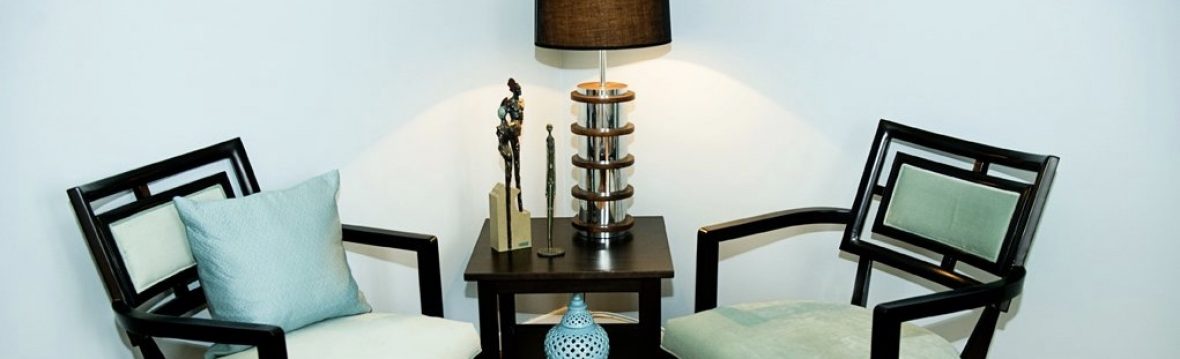

industrial interior design:
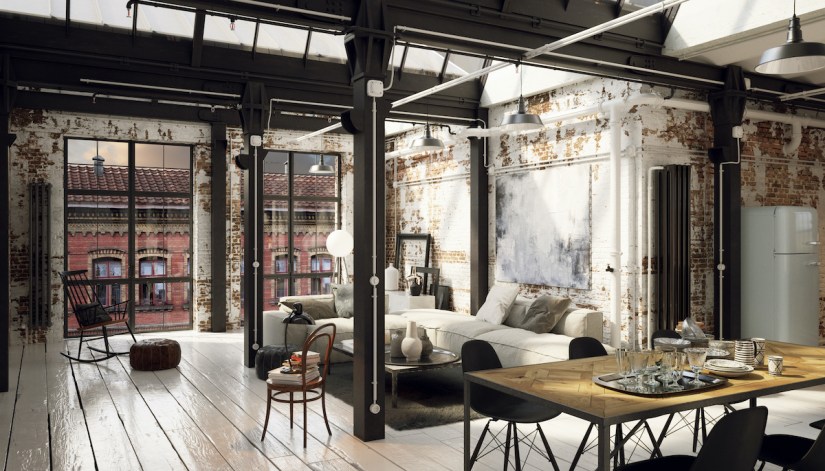
Industrial interior design, characterized by exposed brick, metal beams, and reclaimed wood, has become a staple of modern interior design. But where did this aesthetic come from, and how did it evolve from functional factories to stylish living spaces?
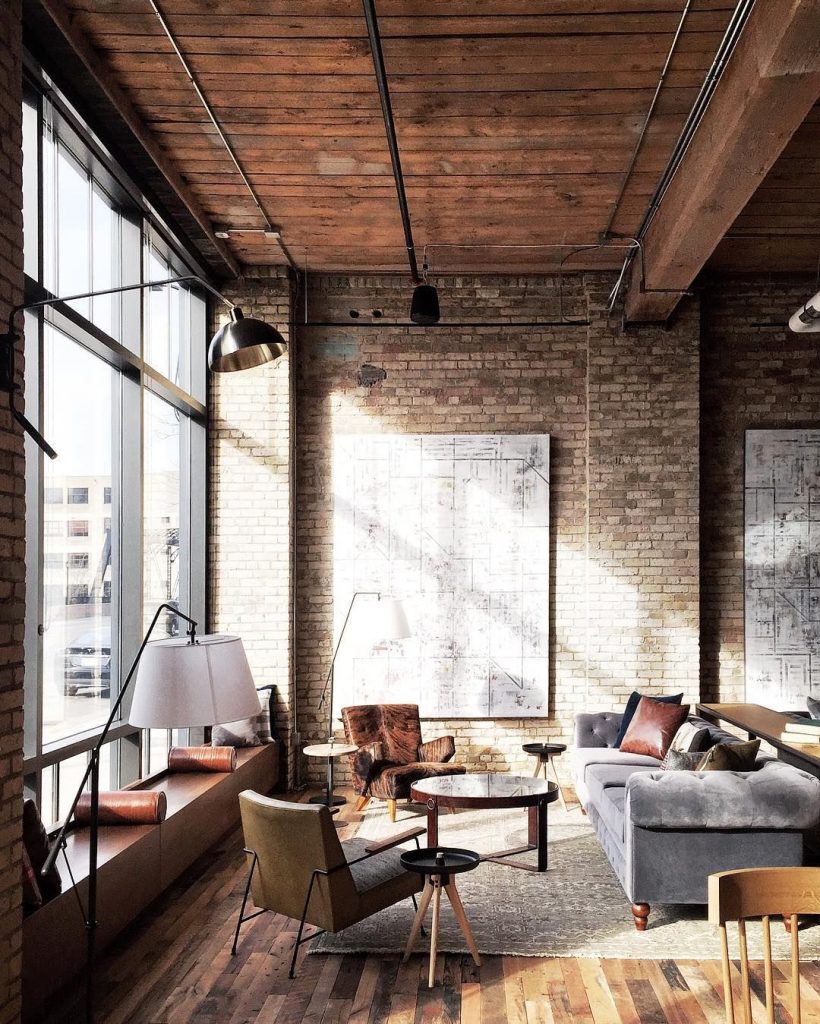
The Origins
Industrial interior design has its roots in the 19th century, during the Industrial Revolution. As factories and warehouses sprouted up in cities, architects and designers prioritized functionality over aesthetics. Exposed ductwork, concrete floors, and metal beams were practical solutions for efficient production and storage.
Post-Industrial Era
Fast-forward to the mid-20th century, when many factories and warehouses became obsolete or were abandoned. As urban renewal projects took hold, these spaces were repurposed as residential and commercial areas. Architects and designers saw an opportunity to transform these rugged structures into unique living and working spaces.
The Advent of Industrial Chic
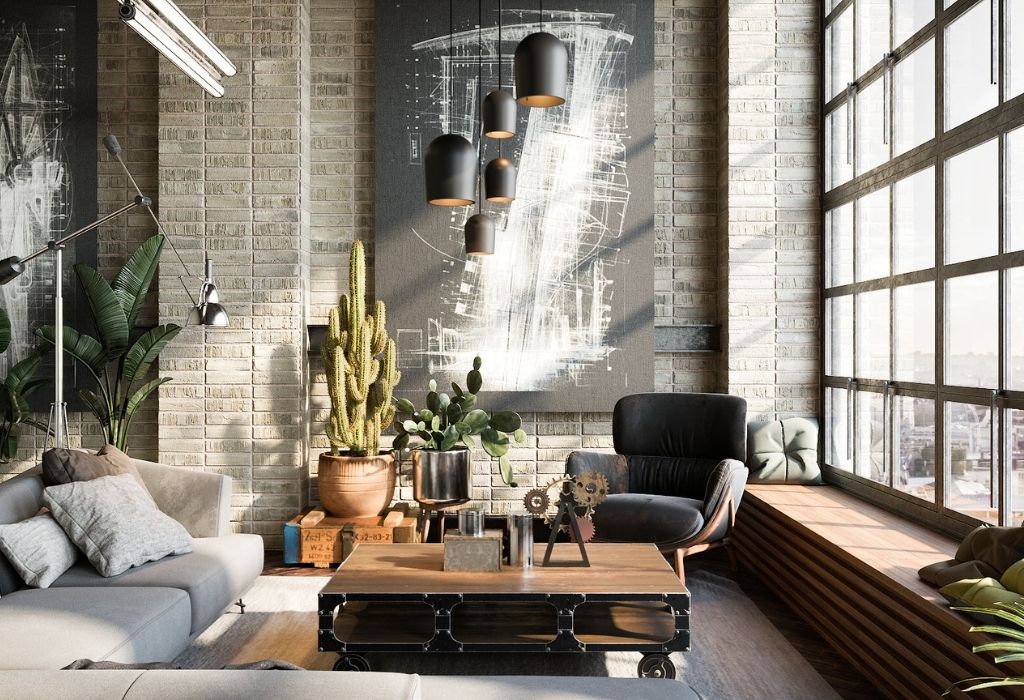
In the 1980s and 1990s, industrial interior design began to gain popularity. Designers like Herzog & de Meuron and Richard Rogers pioneered the style, incorporating industrial elements into their designs. The aesthetic appealed to those seeking a raw, edgy alternative to traditional interior design.
Key Elements
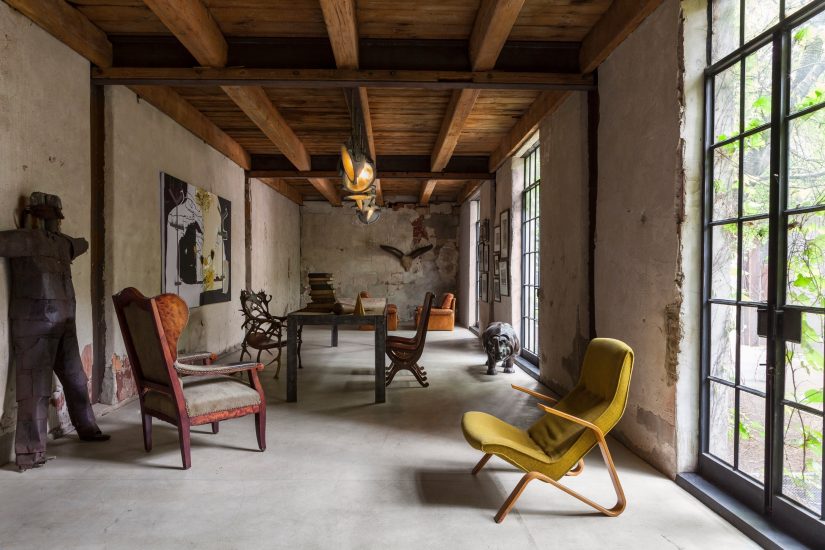
Industrial interior design typically features:
- Exposed brick or concrete walls
- Metal beams and ductwork
- Reclaimed wood and industrial materials
- Minimal ornamentation
- Functional lighting fixtures
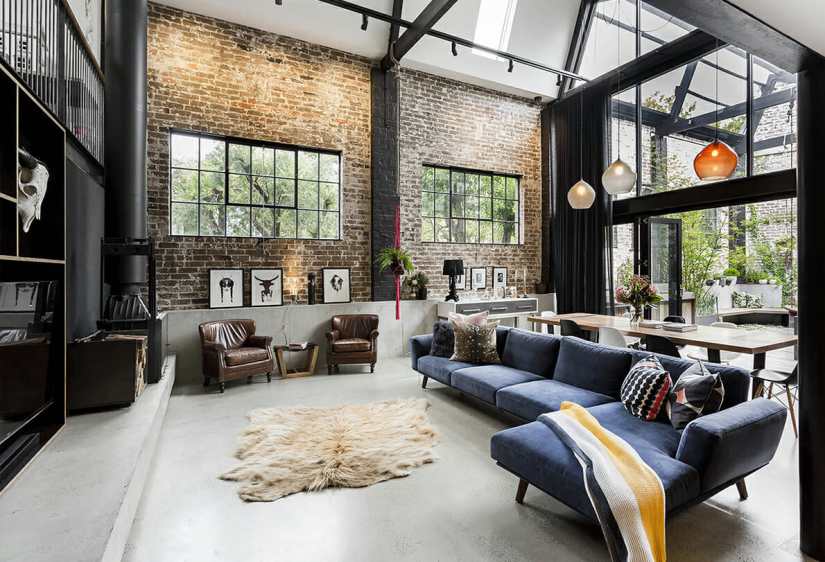
Modern Interpretations
Today, industrial interior design has evolved to incorporate modern comforts and sustainability. Designers incorporate eco-friendly materials, energy-efficient systems, and sleek finishes while maintaining the aesthetic’s rugged charm.

Conclusion
Industrial interior design’s transformation from functional factories to stylish spaces reflects our appreciation for history, sustainability, and unique aesthetics. Whether in a converted warehouse or a newly built space, industrial interior design continues to inspire and influence modern design.
Image Source – Pinterest

 Styling Your Home