
A Modern Approach to Interior Design
In a world often driven by the pursuit of perfection and the latest trends, there’s a quiet revolution taking place—one that celebrates imperfection, impermanence, and the beauty of the natural world.
This movement, rooted in the ancient Japanese philosophy of Wabi-Sabi, offers a refreshing perspective on interior design that resonates deeply with the values of our modern society.Wabi-Sabi is more than just a design aesthetic; it’s a way of life—a philosophy that embraces simplicity, authenticity, and the passage of time.
At its core, Wabi-Sabi encourages us to find beauty in imperfection and to appreciate the natural cycle of growth, decay, and renewal. In today’s world, where sustainability and mindfulness are increasingly important, Wabi-Sabi offers a timely and relevant approach to interior design that prioritizes quality over quantity and embraces the old values of reusing and recycling.
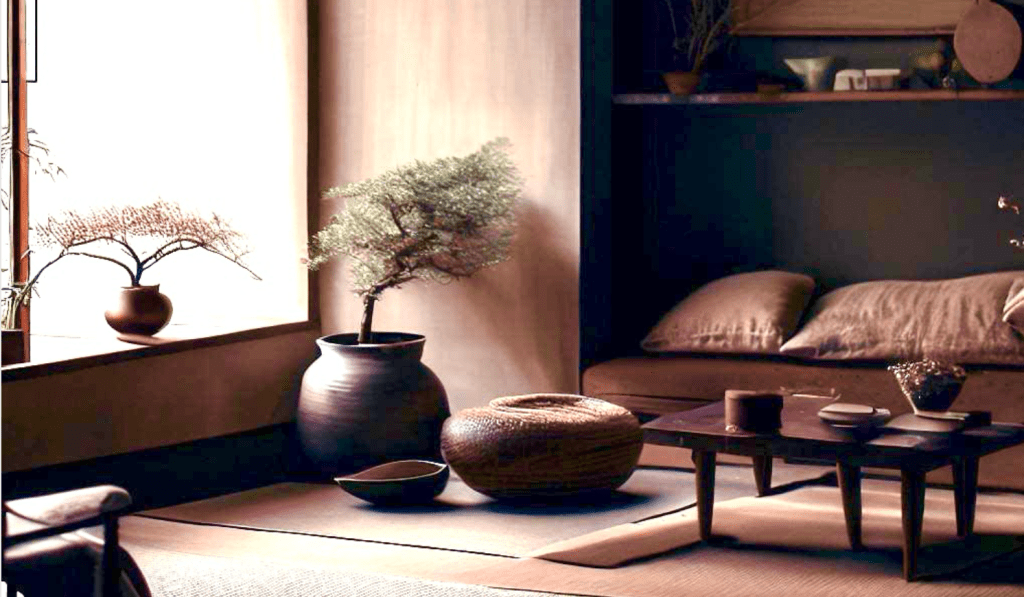
One of the key principles of Wabi-Sabi interior design is the idea of “finding beauty in the imperfect.” In a society that often values perfection above all else, Wabi-Sabi invites us to embrace the beauty of natural materials that show signs of wear and aging. From weathered wood and aged metal to handcrafted ceramics and worn textiles, Wabi-Sabi celebrates the unique character and history of each piece, reminding us that imperfection is not something to be hidden or corrected but rather something to be cherished and admired.
Incorporating Wabi-Sabi into interior design also means embracing simplicity and minimalism. Instead of cluttering our homes with unnecessary possessions, Wabi-Sabi encourages us to carefully curate our spaces, choosing only the items that bring us joy and meaning.
By paring down our belongings to the essentials, we create a sense of calm and serenity in our homes, allowing us to focus on what truly matters.But perhaps the most important aspect of Wabi-Sabi interior design is its emphasis on sustainability and mindful consumption. In a world facing increasing environmental challenges, Wabi-Sabi reminds us of the importance of living in harmony with nature and making conscious choices that minimize our impact on the planet.
This means opting for natural, eco-friendly materials whenever possible, as well as choosing products that are built to last and can be repaired or repurposed rather than discarded.In this way, Wabi-Sabi interior design offers a powerful antidote to the throwaway culture that pervades so much of modern society. By embracing the values of reusing and recycling, as well as prioritizing quality over quantity, we can create spaces that not only look beautiful but also reflect our commitment to a more sustainable way of living.
Ultimately, Wabi-Sabi interior design is about more than just creating visually appealing spaces; it’s about fostering a deeper connection to our surroundings and finding beauty in the everyday. By incorporating the principles of Wabi-Sabi into our homes, we can create spaces that are not only aesthetically pleasing but also meaningful and soulful, reminding us to slow down, appreciate the moment, and find joy in the simple things.
Some practical examples of how to incorporate Wabi-Sabi interior design into your home decor and living spaces, along with suggestions on where to find pieces to bring this aesthetic to life.
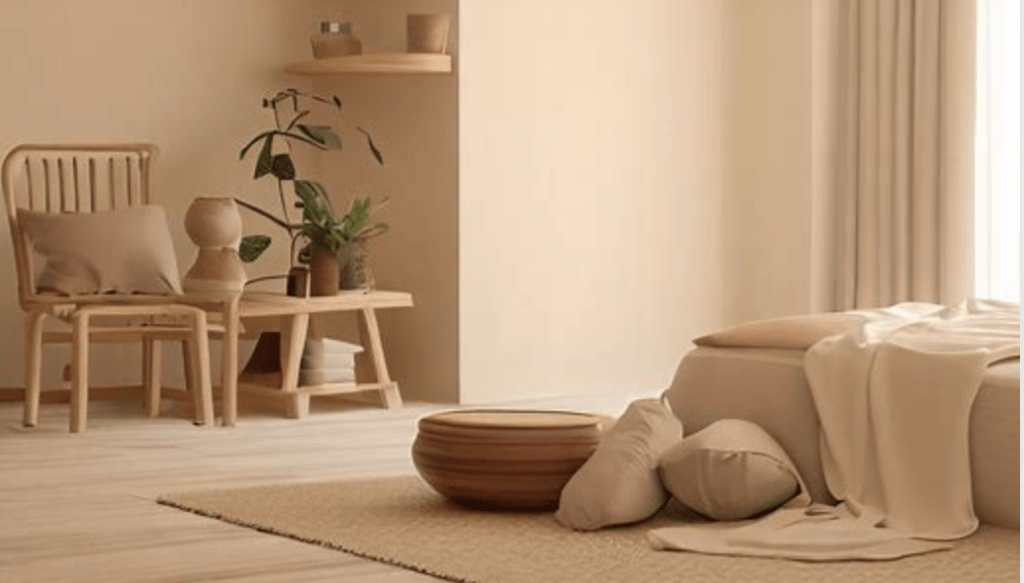
1. Natural Materials: Embrace the beauty of natural materials such as wood, stone, and clay. Look for furniture made from reclaimed or sustainably sourced wood, like a weathered oak dining table or a live-edge coffee table. Incorporate stone accents, such as a rough-hewn granite countertop or a slate backsplash in the kitchen. For ceramics, seek out handmade pottery with imperfect shapes and earthy glazes, adding warmth and texture to your space.
Where to Find: Local artisans and craftsmen often create one-of-a-kind pieces that embody the Wabi-Sabi aesthetic. You can also explore online marketplaces specializing in handmade goods, such as Etsy, or visit artisanal shops and pottery studios in your area.
2. Vintage and Antique Finds: Embrace the patina of age by incorporating vintage and antique pieces into your decor. Look for furniture with history and character, like a worn leather armchair or a distressed wooden cabinet. Vintage textiles, such as faded kantha quilts or handwoven rugs, add softness and warmth to a space while telling stories of the past.
Where to Find: Explore local flea markets, antique shops, and thrift stores for unique finds with personality. Online marketplaces like Chairish and 1stdibs offer curated collections of vintage and antique furniture and decor.
3. Artful Imperfections: Celebrate imperfection through art and decor that embraces handmade craftsmanship and organic forms. Hang a gallery wall of abstract paintings with textured brushstrokes and muted tones. Display handmade ceramics and pottery on open shelves, mixing different shapes and sizes for visual interest. Incorporate natural elements like driftwood, dried flowers, and woven baskets to add depth and dimension to your space.
Where to Find: Seek out local artists and makers who create unique pieces that reflect the Wabi-Sabi aesthetic. Artisan markets, craft fairs, and online platforms like Society6 and Saatchi Art are great places to discover original artwork and handmade decor.
4. Simplicity and Space: Embrace simplicity and minimalism in your decor by decluttering and allowing space for objects to breathe. Choose furniture with clean lines and simple silhouettes, avoiding excessive ornamentation. Opt for neutral colour palettes inspired by nature, with shades of beige, gray, and muted greens creating a serene and harmonious environment.
Where to Find: Scandinavian design brands like Muuto and Hay offer minimalist furniture and decor that aligns with the Wabi-Sabi aesthetic. You can also find simple and elegant pieces at mainstream retailers like IKEA and West Elm, focusing on quality craftsmanship and timeless design. By incorporating these practical examples into your home decor and living spaces, you can embrace the Wabi-Sabi aesthetic and create a harmonious environment that celebrates imperfection, simplicity, and the beauty of the natural world.

 Styling Your Home